


Key Takeaways
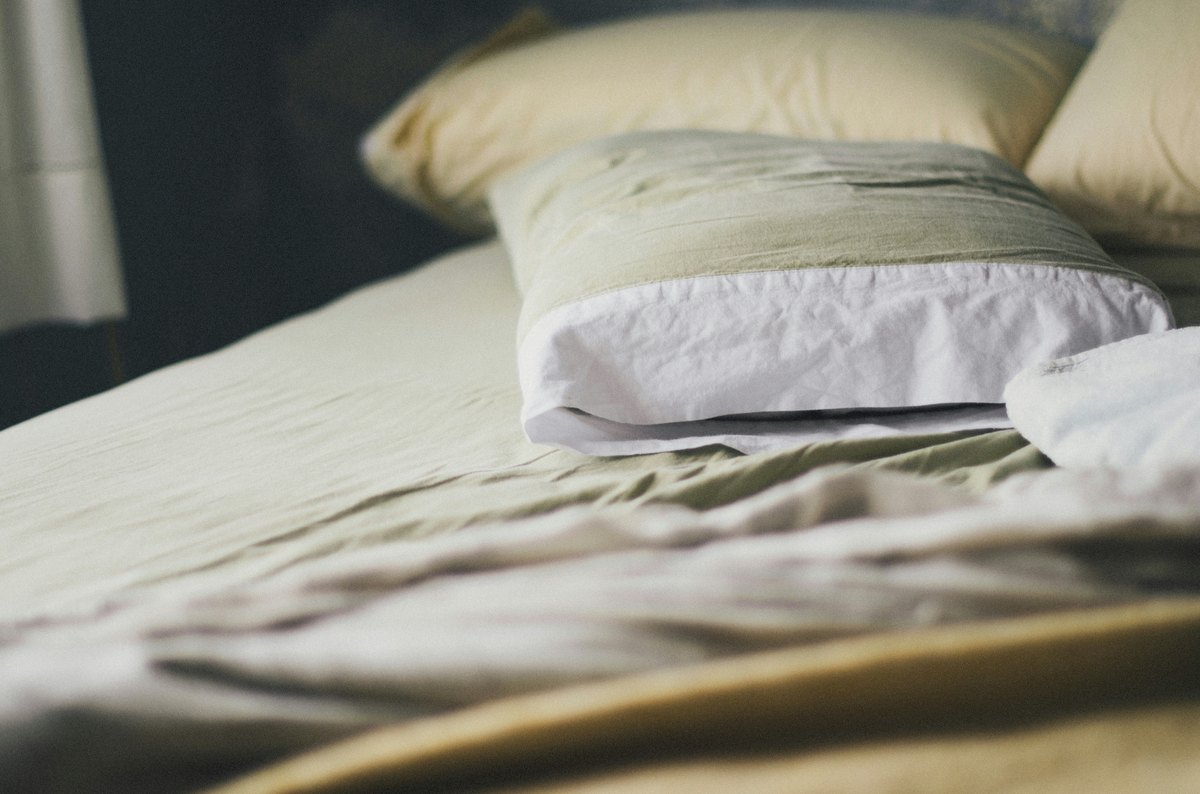
- Dual-sided mattresses yield two distinct firmness profiles, extending product lifespan by distributing wear across separate foam structures.
- Copper-infused memory foam and open-cell Talalay latex outperform standard polyurethane cores in thermal dissipation on both flippable surfaces.
- Dual-firmness beds eliminate purchase risk for sleepers whose spinal alignment requirements fluctuate due to injury, weight shifts, or position changes.
- Proper foundation spacing (slats under 3 inches apart) is vital to avoid voiding dual-sided warranties on lower surface upholstery.
| Mattress Model | Soft Side Firmness | Firm Side Firmness | Cooling Rating (1-10) | Edge Deflection | Trial / Warranty | Starting Price |
|---|---|---|---|---|---|---|
| Layla Memory Foam | 4.5 / 10 (Medium-Soft) | 7.0 / 10 (Firm) | 8.8 / 10 | 3.4 inches | 120 nights / Lifetime | $599 |
| Brooklyn Bedding Plank | 7.5 / 10 (Firm) | 9.5 / 10 (Extra Firm) | 8.4 / 10 | 2.8 inches | 120 nights / 10-Year | $562 |
| Zenhaven (Saatva) | 5.0 / 10 (Luxury Plush) | 7.5 / 10 (Gentle Firm) | 9.3 / 10 | 3.1 inches | 365 nights / Lifetime | $1,445 |
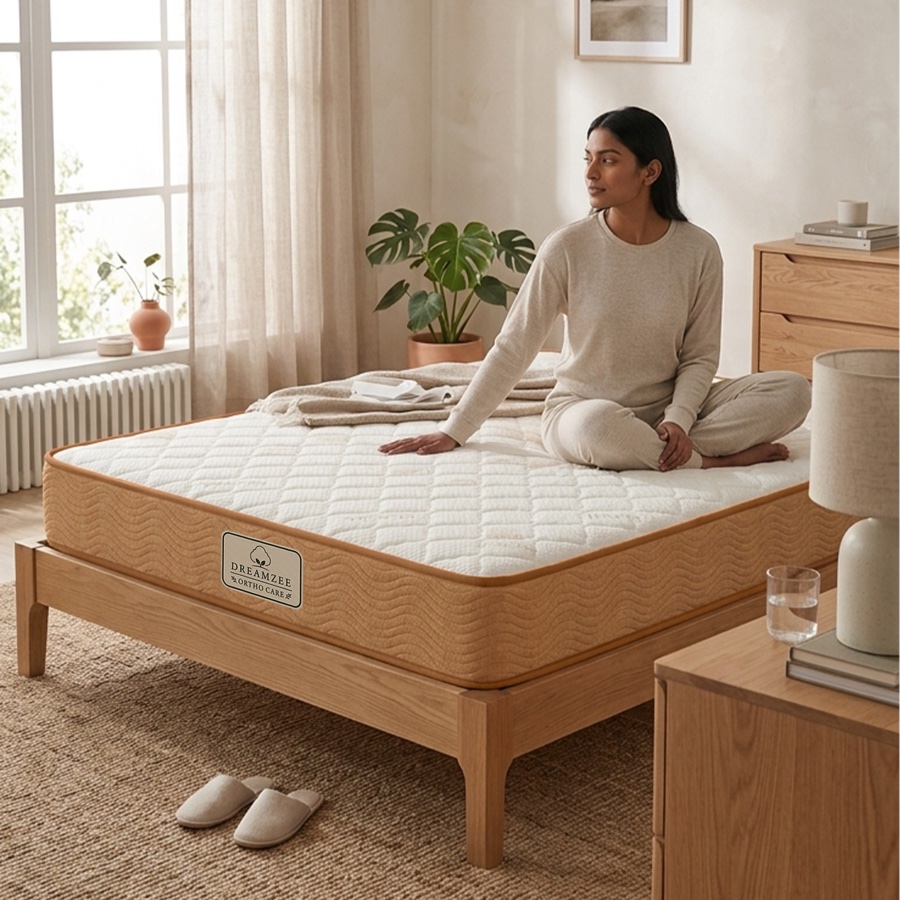
Traditional one-sided mattresses dominate the direct-to-consumer landscape, but they force you to gamble on a single firmness level for the next decade. If your shoulder pain flares or your sleeping posture shifts, you are stuck modifying the feel with toppers or facing the premature dilemma of how often should you replace your mattress. A true two-sided design counters this problem directly. By housing two distinct firmness levels around a shared interior core, models like the copper-infused Layla give sleepers a practical escape hatch whenever their ergonomic needs evolve.
Flippable mattresses also alter the mechanical longevity equation. Standard single-sided beds rely on a unidirectional wear pattern: your body impressions compress the exact same comfort foams night after night. Although modern maintenance guidelines explain that you should flip or rotate your mattress according to specific material builds, standard one-sided beds can only be rotated 180 degrees. Flippable mattresses, conversely, let you reverse the plane of compression entirely. This preserves structural responsiveness and extends foam recovery, whether you opt for high-density polyurethane layers or the orthopedic rigidity of the Brooklyn Bedding Plank.
How We Evaluate Dual-Sided Mattresses in the Lab
Testing a dual-sided bed requires double the quantitative diagnostics. For every mattress evaluated, we run sensor-mat pressure mapping, perimeter compression testing, and thermal imaging twice—once on each face. We deploy our 165-pound sensor grid across side, back, and stomach alignments to pinpoint maximum pressure spikes (measured in mmHg) at the lumbar zone, trochanter, and scapulae.
Perimeter stability is often the weak point of flippable mattresses because manufacturers cannot install a rigid bottom stabilization pan. We measure edge deflection by placing a 200-pound calibrated cylinder at the perimeter edge for five continuous minutes, measuring total downward displacement. Finally, we assess heat dissipation by warming the surface to 98.6°F with clinical heat pads, withdrawing the thermal source, and monitoring cooling curves using an infrared sensor over 15 minutes.
The Top Lab-Tested Flippable Mattresses
1. Layla Memory Foam – Best Overall Dual-Sided Foam
Layla remains the standard-bearer for all-foam flippable engineering. One face is a medium-soft (4.5/10), utilizing 3 inches of 3-lb density copper-gel memory foam over a channeled surface-modification air escape layer. The reverse presents a firm profile (7.0/10) with 1 inch of copper foam directly above the 4.5-inch 2-lb core.
During side-sleeping pressure evaluations, the soft side kept trochanter peak pressure under 26 mmHg, relieving lateral hip tension without bottoming out. When flipped to the firm side, back sleepers under 230 pounds registered optimal sacral leveling with less than 1.1 inches of pelvic dip. The copper infusion also plays a demonstrable thermodynamic role: our thermal cameras registered a 4.2°F drop within three minutes of departure, solving the traditional heat sink profile seen in typical visco foams.
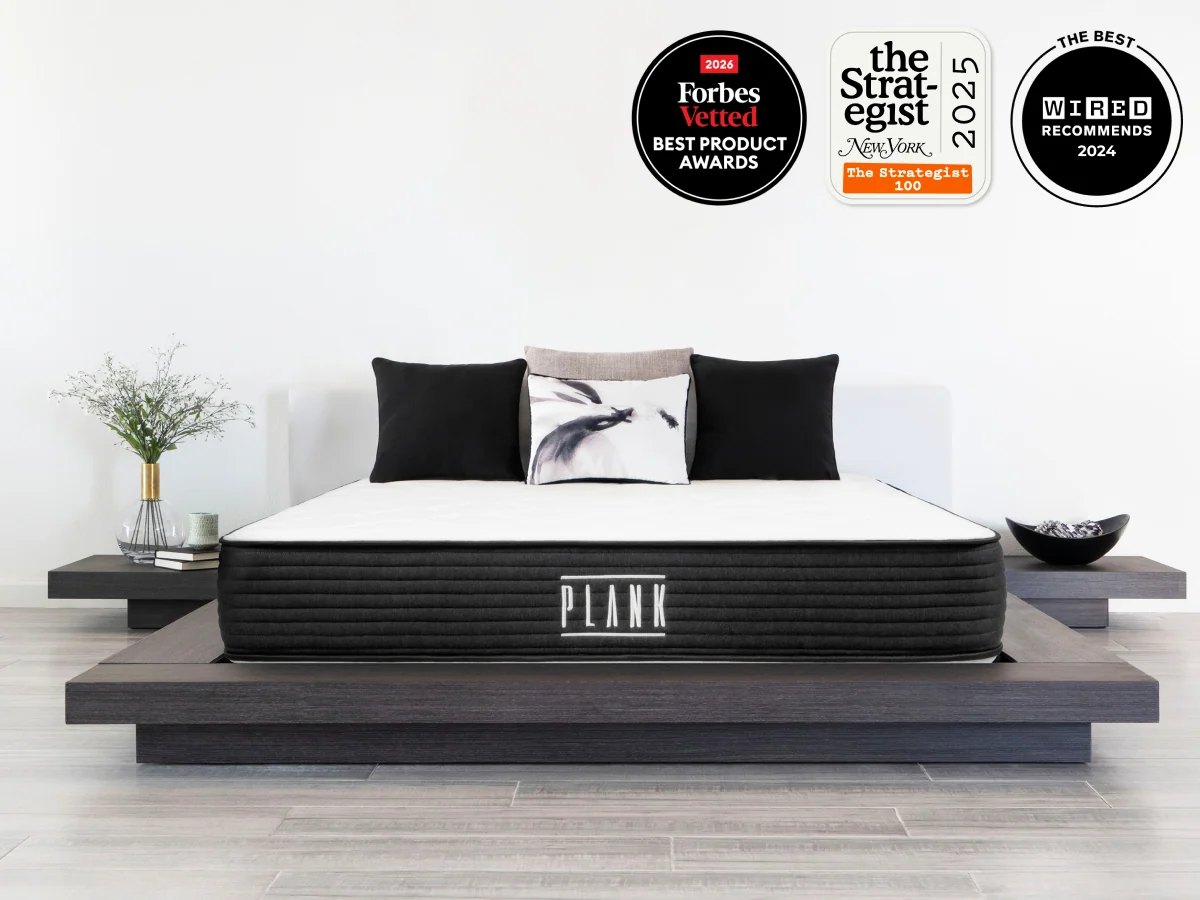
2. Brooklyn Bedding Plank – Best Ultra-Firm Solution
For back and stomach sleepers struggling with lumbar sag, the Plank delivers an exceptionally rigid platform. Its primary side clocks in at an uncompromising 9.5/10 extra-firm feel, using a 0.75-inch quilted top layer over a 2-inch titan-dense foam core. The reverse side registers as a traditional firm (7.5/10), adding a slight touch of contouring for neutral posture.
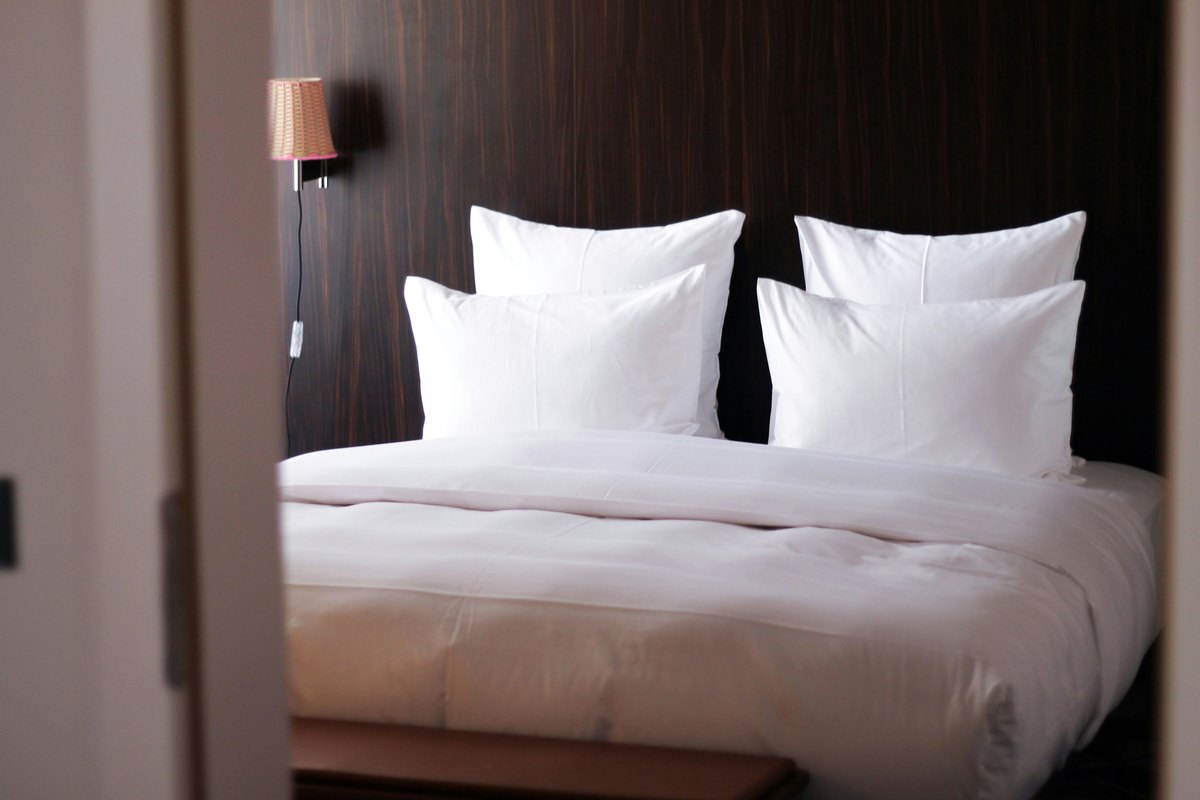
On our edge deflection apparatus, the Plank yielded an impressive 2.8 inches of displacement—an outstanding score for an all-foam structure without perimeter wire cages. In spinal alignment testing, stomach sleepers maintained neutral cervical and lumbar alignment with zero hyperextension of the lower spine. If you need a bed with orthopedic rigidity, the Plank eliminates the soft, sink-prone surface layers that lead to morning lumbar stiffness.
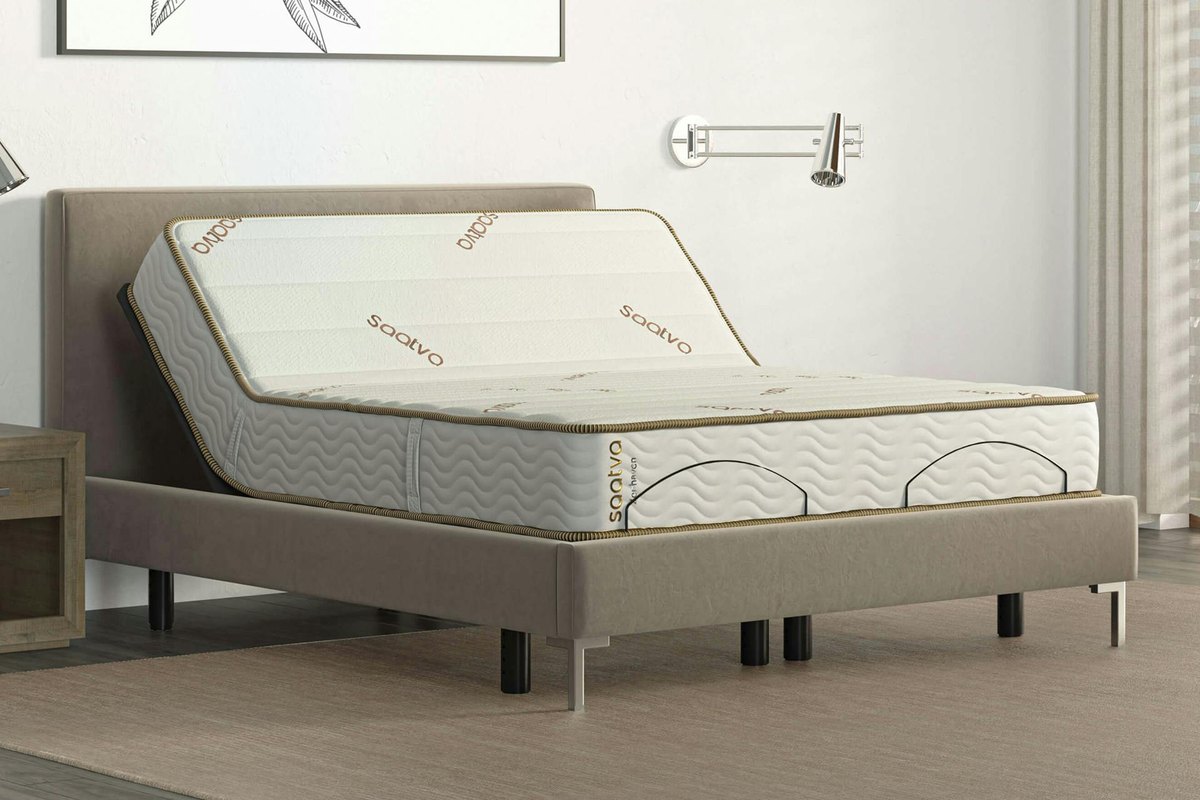
3. Zenhaven by Saatva – Best Natural Talalay Latex
If you prefer resilient pushback instead of memory foam sink, the Zenhaven stands out. Made entirely from certified botanical Talalay latex, it incorporates a proprietary five-zone pin-hole configuration that distributes support differently depending on which side faces upward. One orientation is Luxury Plush (5.0/10); the reverse is Gentle Firm (7.5/10).
Because latex features an inherently open-cell structure, the Zenhaven led our ventilation tests, dropping back to ambient room temperature in just two minutes. Its buoyancy makes changing positions effortless, scoring a near-instantaneous 0.3-second recovery rate on our indentation deformation test. This responsiveness makes it a practical option for combination sleepers who dislike the slow-response sensation of standard memory foam.
Structural Support, Foundations, and Maintenance
Because both outer faces of a flippable mattress serve as sleeping surfaces, you cannot place them on unfinished surfaces without risking friction wear. Review our guide to slats, platform beds, box springs, and adjustable bases to verify your frame meets the manufacturer's warranty terms. Slat gaps must not exceed 3 inches; wider gaps allow the lower comfort foams to extrude downward under load, causing permanent structural damage.
Cleaning also requires extra care. Since you cannot simply shield one surface forever, learning how to clean a mattress safely without voiding the warranty is critical. Use only low-moisture spot extraction; saturated moisture trapped inside a dual-sided core cannot easily vent through the lower layers. Furthermore, when your package arrives, give the core ample time to recover. Our benchmarks on how long a mattress in a box takes to expand demonstrate that dual-sided mattresses often require 36 to 48 hours for the lower, denser layers to reach target cellular volume.
Who Should—and Shouldn’t—Buy a Flippable Bed?
Flippable mattresses are ideal for sleepers whose support needs shift over time. If you are rehabbing a spinal injury, navigating pregnancy, or sharing a bed with an undecided partner, having two firmness selections inside one mattress removes guesswork. They are also useful when exploring mattresses for couples with different firmness preferences, especially in guest rooms where visitor weights vary widely.
However, dual-sided designs involve trade-offs. To allow flipping, they omit ultra-thick pillow tops and multi-tiered coil systems. If you want a 15-inch luxury hybrid with micro-coils, a dual-sided configuration is physically impractical. Additionally, dual-sided beds are heavier to lift and turn, requiring two people to handle seasonal rotation.
When buying, take advantage of the trial windows. Review our breakdown of understanding mattress sleep trials and hidden fees and study how to read a mattress warranty. Dual-sided warranties evaluate indentation depth against both surfaces, requiring proof of proper base support.
If you are balancing performance with budget limitations, see our analysis on whether you can buy a great mattress under $1,000. Flippable options often deliver superior value because their dual wear surfaces effectively double their operational lifespan.
Final Verdict
For pure memory foam contouring and effective heat mitigation, the Layla Memory Foam is our top recommendation for most sleepers. Back and stomach sleepers seeking firm support will find the Brooklyn Bedding Plank unmatched in stabilizing the hips and lumbar spine. For an eco-conscious, naturally cooling bed that lasts well past the decade mark, the Zenhaven latex build justifies its premium investment.
Frequently Asked Questions
How often should I flip a dual-sided mattress?
We recommend rotating your dual-sided bed 180 degrees every three to six months. If you intend to use the alternate firmness profile, you can flip it at any time. When staying on your preferred side, flipping the mattress every six months distributes internal foam compression, significantly reducing the likelihood of permanent body indentations.
Do flippable mattresses sleep hotter than one-sided beds?
Not inherently. Heat retention depends on material composition rather than the number of sleep surfaces. The Layla combats heat with thermal copper infusions, and the Zenhaven relies on perforated, open-cell Talalay latex. However, because the bottom surface is made of comfort foam rather than a breathable mesh base, placing the bed on an unvented solid foundation can trap heat. Use a slatted foundation to maintain proper airflow.
Can I use a mattress protector on a flippable mattress?
Yes, and doing so is critical. However, standard five-sided protectors only shield the top face. When you invert the mattress, you must reposition the protector onto the newly exposed surface. To safeguard both sides from accidental spills or friction without repeated adjustments, consider a breathable, fully encasing six-sided zippered protector.

Jessica Moore, Certified Sleep Science Coach
Jessica has spent 8+ years analyzing biomechanics, pressure relief mapping, and mattress ergonomics. She leads our independent sleep lab in Austin, TX, overseeing thermal, motion, and durability testing.