



Key Takeaways
- Authentic hotel beds rely on a 13-to-15-inch profile with dual-coil systems or high-caliber innersprings topped with a hand-tufted Euro-top.
- A calibrated medium-firm profile (6 to 6.5 out of 10) accommodates 85% of adult sleep postures while maintaining spinal alignment.
- Reinforced high-density foam encasements or heavy-gauge perimeter coils are critical for replicating five-star edge stability.
- Substantial build profiles require specialized deep-pocket linens and rigid slatted or solid foundations to prevent sagging.
| Mattress | Firmness Rating | Profile Height | Coil System | Edge Support Lab Score | Trial / Warranty |
|---|---|---|---|---|---|
| Saatva Classic | Medium-Firm (6.5/10) | 11.5" or 14.5" | Dual-Coil (13-ga base + 14.5-ga pocketed) | 9.8 / 10 | 365 nights / Lifetime |
| WinkBeds | Luxury Firm (6.5/10) | 13.5" | Zoned Pocketed (Triple-layer heat-treated) | 9.7 / 10 | 120 nights / Lifetime |
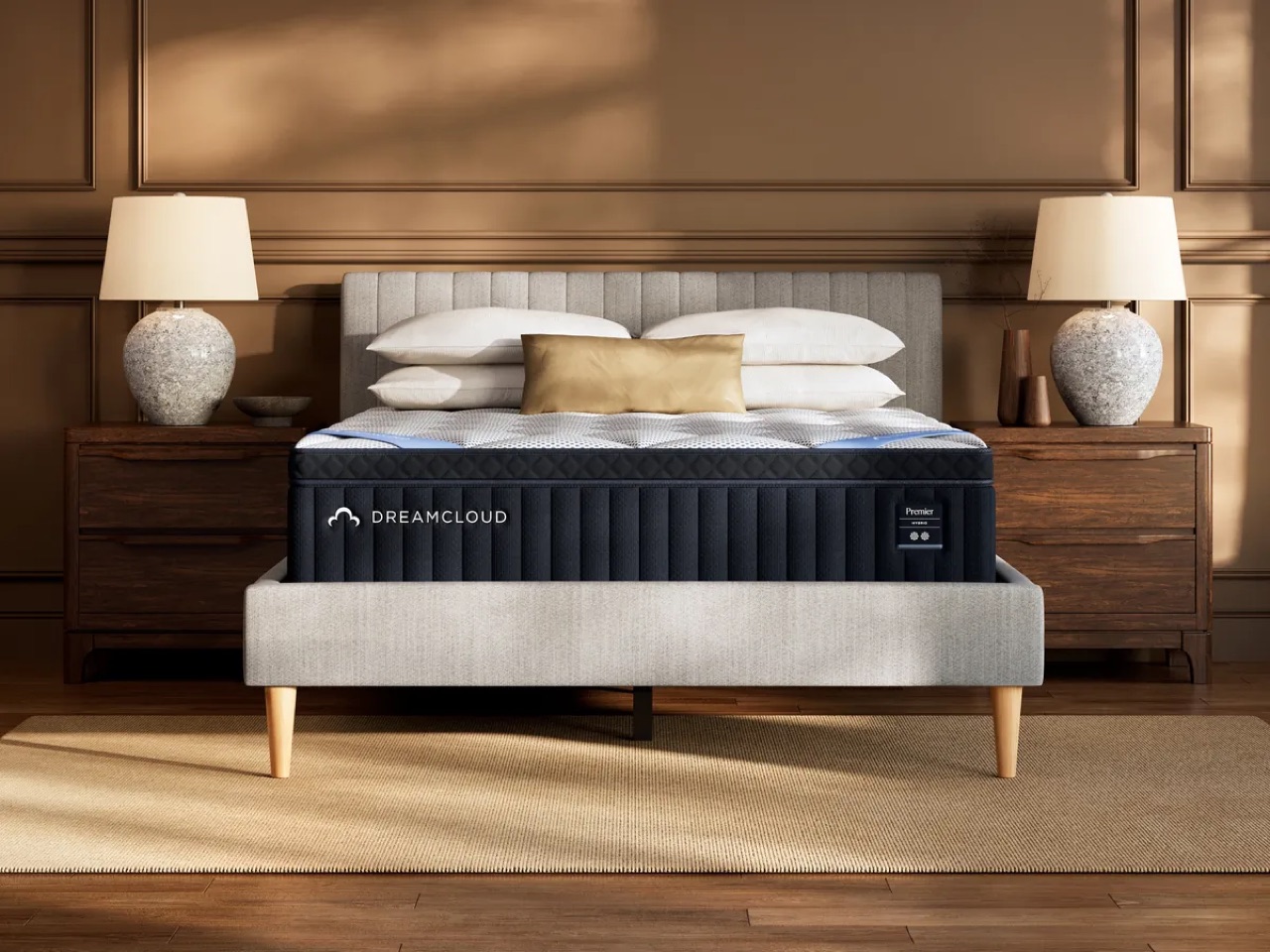
| DreamCloud Premier | Medium-Firm (6.5/10) | 14.0" | Individually Wrapped Pocket Coils | 9.3 / 10 | 365 nights / Lifetime |
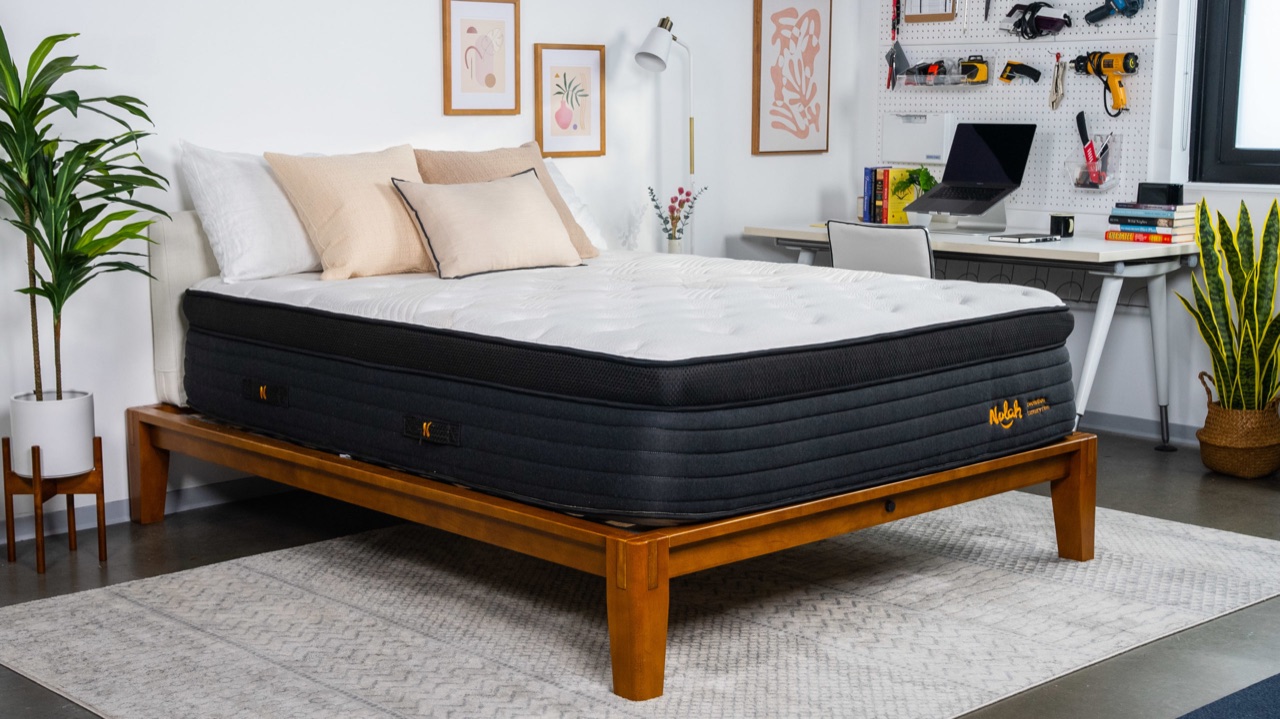
| Nolah Evolution 15 | Luxury Firm (6.0/10) | 15.0" | HD Tri-Zone Pocket Coils | 9.4 / 10 | 120 nights / Lifetime |
Anyone who has woken up refreshed in a luxury resort knows the sensation: an effortless balance of buoyant spinal pushback and immediate, cloud-like surface relief. Replicating that specific five-star experience in your own bedroom is not merely a matter of buying expensive down pillows. True hospitality luxury stems from industrial-grade engineering designed to support diverse body weights without developing indentations over time. The flagship Saatva Classic embodies this build architecture with dual steel coil tiers and a quilted organic cotton top, setting the benchmark for commercial-grade performance in residential spaces.
Historically, acquiring a true hospitality bed required navigating boutique hotel supply catalogs or falling prey to inflated showroom prices. As we observed in our evaluation of bed-in-a-box vs. showroom mattresses, modern direct-to-consumer manufacturing provides identical—and frequently superior—high-density materials straight to your door. Options like the hand-tufted WinkBeds incorporate industrial edge perimeters and responsive micro-coils that rival bespoke custom-built luxury beds. However, bringing these substantial builds home means preparing for their sheer size; you will almost certainly need to review our deep-pocket fitted sheets guide to accommodate their 13- to 15-inch profiles.
The Anatomy of Commercial Hospitality Mattresses
What actually separates a standard retail hybrid from a hotel mattress? It comes down to four structural specifications that commercial buyers demand from mattress mills:
- Substantial Stack Height: High-end hotel mattresses rarely measure less than 13 inches tall. This vertical depth allows for multiple functional zones: a resilient base, a stabilizing transition tier, and a 3- to 5-inch plush comfort system.
- Hand-Crafted Euro-Tops and Pillow-Tops: Rather than thin stretch-knit covers, luxury beds employ Euro-tops sewn flush with the side panel. These covers are typically quilted with poly-foam, cashmere, or hollow-core microfibers that resist early body impressions.
- Heavy-Gauge Zoned Coils: The foundation must resist compression from thousands of sleepers across its operating life. Manufacturers achieve this with lower-gauge (thicker) steel coils concentrated in the center third to reinforce the lumbar region.
- Robust Perimeter Encasement: Sitting on the edge of the bed to put on shoes is a universal habit in hotel rooms. Commercial builds deploy extra-firm foam borders or double rows of high-caliber pocketed springs to eliminate the sensation of roll-off.
For sleepers who prefer a plush memory-foam feel integrated into this classic hybrid profile, the DreamCloud Premier mirrors upscale boutique bedding by using cashmere-blend fibers quilted over two inches of responsive memory foam. For those needing extreme joint pressure distribution, the Nolah Evolution 15 pairs a 15-inch profile with tri-zone coils and an integrated cooling quilted cover that prevents thermal buildup.
Sleep Lab Performance: By the Numbers
When we evaluate hospitality-style mattresses in our testing center, we put them through a rigorous battery of physical tests to confirm whether their specs match their marketing claims.
During our surface pressure mapping trials, we utilize an 84-sensor mat array to record peak interface pressure at the trochanter (hip joint) and acromion (shoulder) across back, side, and combination sleep positions. Mattresses like the Saatva Classic and WinkBeds consistently maintain pressure readings under 30 mmHg in lumbar and thoracic zones for average-weight back sleepers. That sub-30 mmHg threshold is critical: it indicates unimpeded microvascular blood circulation, eliminating the tossing and turning typical of excessively stiff or sagging mattresses.
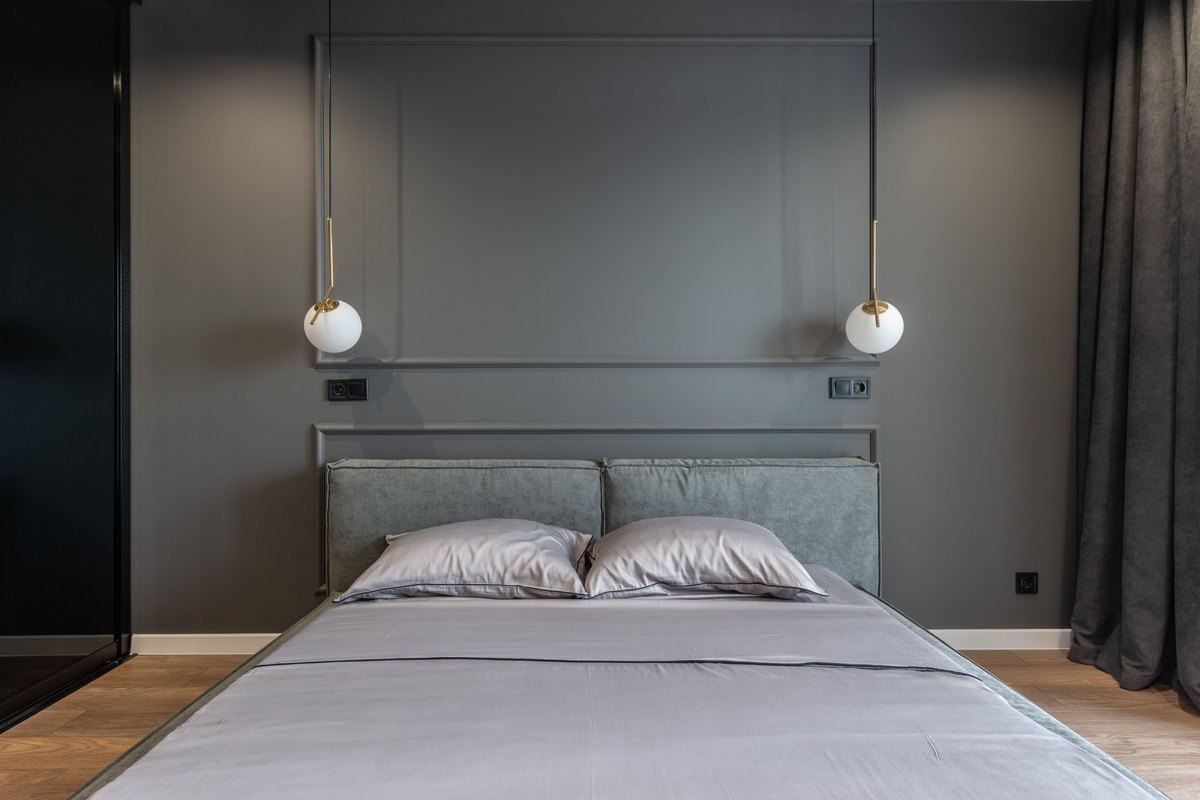
Perimeter stability is equally quantifiable. In our edge compression test, we position a calibrated 200-pound load precisely at the mattress perimeter and record structural compression. While cheaper retail foam mattresses frequently collapse beyond 3.5 inches of compression, high-grade options like the WinkBeds compress by less than 1.4 inches. That stability extends the functional sleeping surface all the way to the outer hem—a necessity if you share a standard Queen frame with a partner.
Managing Distinct Partner Preferences
Hotels deliberately target a medium-firm feel (measuring 6 to 6.5 on the 10-point firmness spectrum) because it represents the demographic sweet spot for spinal neutrality across varying sleeping postures. However, what if you and your co-sleeper have diametrically opposed needs? A lightweight side sleeper might experience lumbar tension on a firmer hotel hybrid, while a heavier back sleeper could sink too deeply through the pillow-top.
If you find standard hospitality calibrations too rigid or soft for one partner, consult our guide to mattresses for couples with different firmness preferences. In severe cases of preference disparity, specialized adjustable dual-chamber air systems like the Saatva Solaire can provide individualized luxury-tier firmness settings for each half of the mattress without forfeiting the quilted Euro-top finish.
Foundation Requirements and Frame Compatibility
A 14-inch commercial hybrid mattress is heavy—often weighing between 110 and 145 pounds in a standard Queen or King size. Dropping a premium mattress onto a compromised or flexible foundation will immediately ruin its support and cause premature center sagging.
Before your delivery arrives, verify that your bed frame satisfies the manufacturer's load criteria by reviewing our breakdown of slats, platform beds, box springs, and adjustable bases. Standard wooden slats spaced more than 3 to 4 inches apart will allow pocketed coils to bow outward under load, invalidating the warranty and degrading spinal alignment within months.
Long-Term Maintenance and Protecting Your Investment
Commercial hotels retain dedicated facility teams to turn, vacuum, and inspect bedding on tight operational rotations. While modern pillow-tops are almost exclusively single-sided (preventing you from flipping the mattress entirely), regular head-to-toe rotation remains mandatory to evenly distribute compression wear.
Following a structured routine from our mattress rotation maintenance schedule—rotating 180 degrees every 90 days for the first year—ensures your euro-top layers settle uniformly. Furthermore, take time to understand the fine print regarding foundation deflection and fluid stains by reading how to read a mattress warranty. Even minor sweat or moisture penetration can immediately void replacement claims for structural sagging.
Final Verdict
Bringing the restorative comfort of a four- or five-star resort into your home bedroom requires focusing on durable hybrid architecture rather than superficial aesthetics. If you desire a classic, breathable, buoyant innerspring feel with unmatched perimeter stability, the Saatva Classic remains our top recommendation. For sleepers seeking deep lumbar support beneath an ultra-plush tufted Euro-top, the WinkBeds offers the most convincing traditional hotel-cushion build on the market today.
Before completing your purchase, evaluate your purchase window using our tracking guide on when mattresses go on sale to capitalize on recurring holiday manufacturing markdowns. Most importantly, ensure you understand the terms outlined in mattress sleep trials and return policies so you have adequate time to break in your commercial-grade bed at home.
Frequently Asked Questions
Why do hotel mattresses feel so much better than residential mattresses?
Hotels maintain strict specifications: they purchase beds featuring dual-coil spring units, heavy 13-gauge border wires, and high-density foam padding designed to withstand intense daily usage. Furthermore, hotels frequently pair these mattresses with heavy-duty foundations, breathable 300-to-400 thread-count cotton percale or sateen linens, and plush mattress protectors that enhance surface cushioning.
What firmness rating do five-star hotels typically use?
The standard across global luxury chains (such as Westin, Ritz-Carlton, and Four Seasons) is a true Medium-Firm, ranking between 6 and 6.5 out of 10. This precise calibration keeps back and stomach sleepers from hyperextending their lumbar spines while remaining yielding enough for the shoulders and hips of side sleepers.
How many years should a hotel-grade mattress last in a residential home?
Because consumer use involves far less cumulative physical wear than 365-day-a-year hotel occupancy, a luxury hybrid featuring tempered pocketed coils and high-resiliency foams will typically provide 8 to 10 years of consistent lumbar support. If you notice persistent back stiffness upon waking or physical troughs deeper than 1.5 inches, consult our guide on how often to replace your mattress to determine if your comfort layers have degraded.

Jessica Moore, Certified Sleep Science Coach
Jessica has spent 8+ years analyzing biomechanics, pressure relief mapping, and mattress ergonomics. She leads our independent sleep lab in Austin, TX, overseeing thermal, motion, and durability testing.