



Key Takeaways
- Modern bed-in-a-box hybrids rival traditional retail builds, utilizing zoned pocketed coils that withstand repeated roll-pack compression.
- Off-gassing VOCs dissipate within 24 to 72 hours under 68°F–72°F room conditions with active cross-ventilation.
- Edge support varies widely: high-performing boxed models average under 1.8 inches of perimeter compression under a 200-pound load.
- Look for foam densities of 1.8 PCF or higher in base layers to avoid premature sagging before the 8-year mark.
| Model | Lab Score | Firmness (1-10) | Edge Deflection | Peak Thermal Clearance | Starting Price |
|---|---|---|---|---|---|
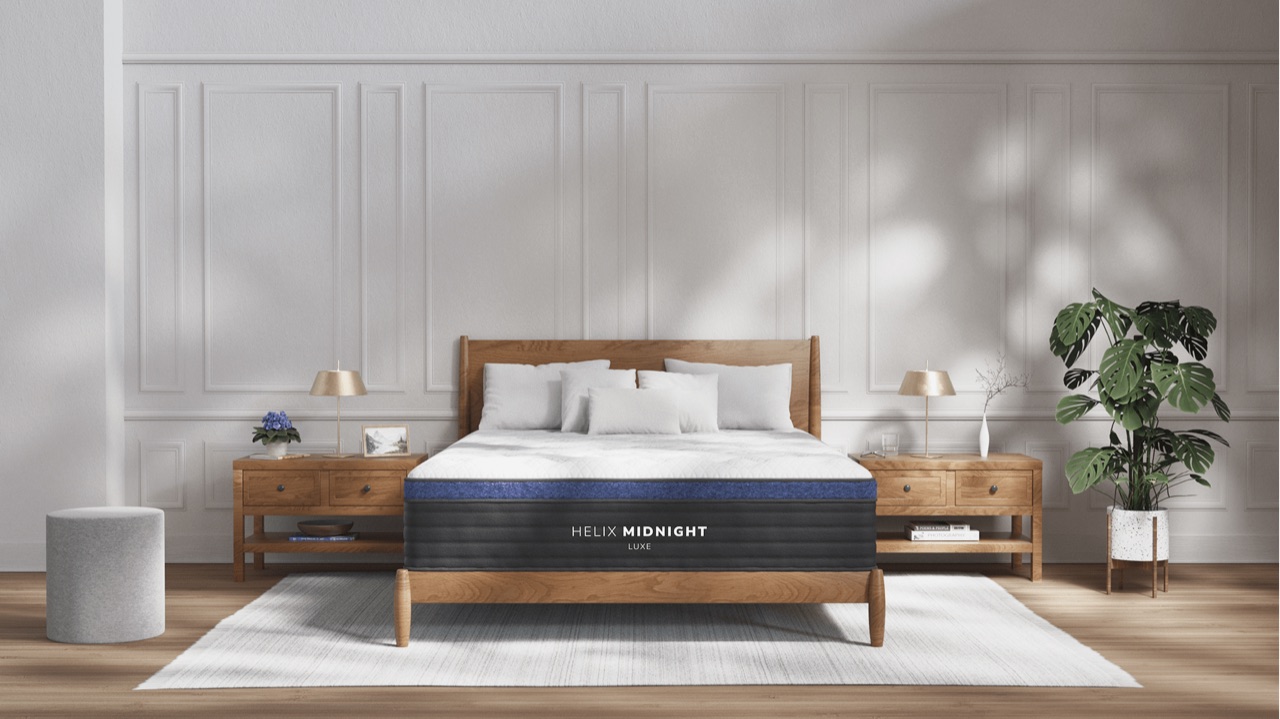
| Helix Midnight Luxe | 9.6 / 10 | 6.0 (Medium) | 1.4 inches | 3.1 min to baseline | $1,099 |
| Nectar Memory Foam | 9.7 / 10 | 6.5 (Med-Firm) | 2.2 inches | 5.8 min to baseline | $349 |
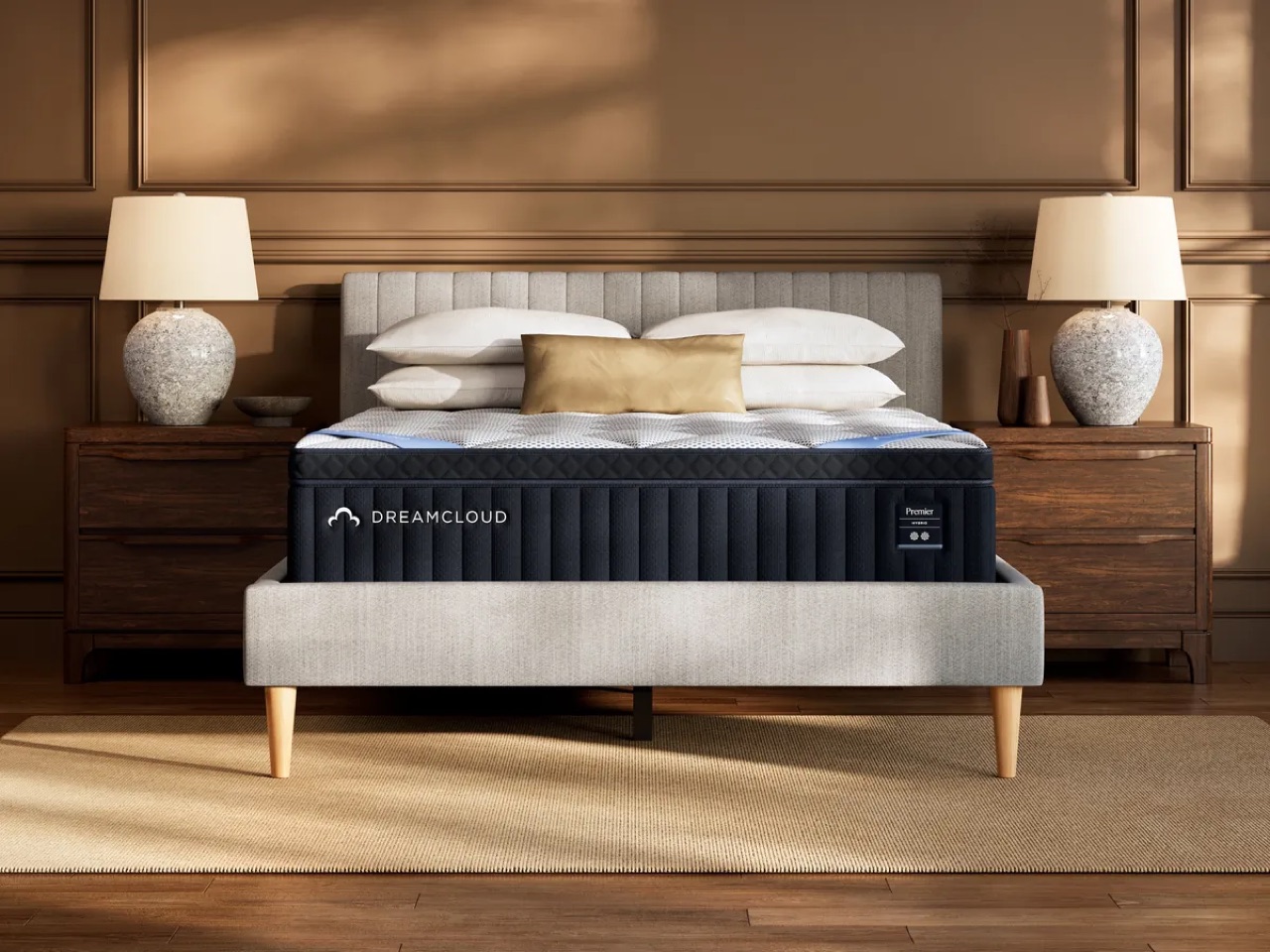
| DreamCloud Premier | 9.5 / 10 | 6.5 (Med-Firm) | 1.5 inches | 3.4 min to baseline | $699 |
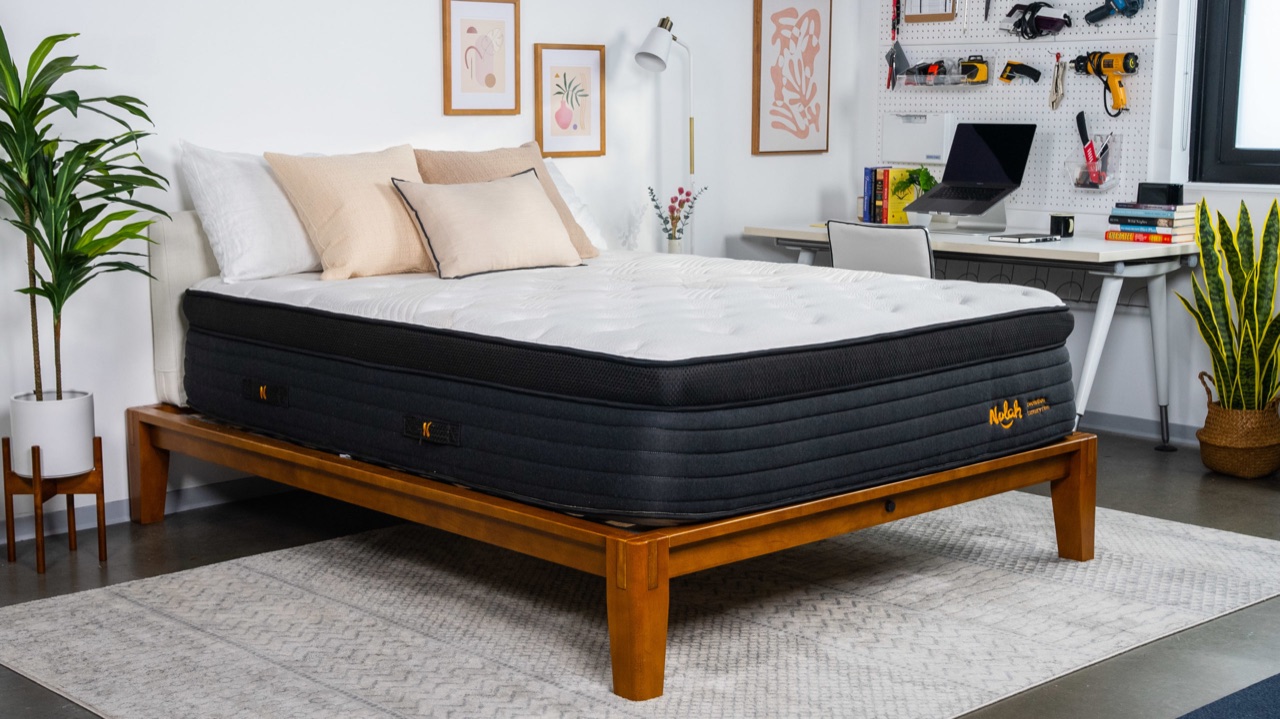
| Nolah Evolution 15 | 9.4 / 10 | 5.5 (Plush-Med) | 1.3 inches | 2.9 min to baseline | $999 |
Ten years ago, buying a compressed mattress meant compromising on structural integrity. Today, direct-to-consumer manufacturing utilizes 100-ton hydraulic presses to package high-tensile steel coils and multi-density foam into shippable cartons. Navigating the claims requires looking past marketing promises and examining laboratory durability data. In our testing facility, we unroll and evaluate dozens of models to separate legitimate engineering from thin marketing, addressing the core realities of bed-in-a-box vs. showroom mattresses to determine if roll-packed builds can hold up over a decade of nightly compression.
Unboxing a compressed bed introduces distinct logistical questions regarding off-gassing and expansion. While marketing claims often boast immediate usability, our sensors show that memory foams and dense pocket coils require structural recovery time. Understanding how long a mattress in a box takes to expand helps set realistic expectations for VOC dissipation and firmness stabilization. Furthermore, when evaluating these direct-shipped beds, shoppers must navigate trial terms. Reviewing mattress sleep trials and return fees prevents unexpected handling charges if a model does not match your spinal geometry, particularly when assessing whether you can buy a great mattress under $1,000 without sacrificing core foam density.
How We Test Boxed Mattresses in Our Sleep Lab
Every boxed mattress entering our facility undergoes a standardized 30-day testing protocol. After unboxing and recording initial expansion curves across 72 hours, we conduct four primary objective tests:
- Interface Pressure Mapping: We place a calibrated sensor pad containing 1,024 piezoresistive nodes between the mattress and test sleepers of varying body mass indexes (130 lbs, 185 lbs, and 240 lbs). Any region registering above 32 mmHg indicates poor capillary circulation and potential joint numbness.
- Motion Isolation (Accelerometer Drop Tests): We drop a 15-pound bowling ball from a fixed height of 24 inches onto one side of the surface while an accelerometer logs kinetic transfer on the opposing side.
- Thermal Retention via FLIR Imaging: A human subject lies on the mattress for 60 minutes. Upon rising, high-resolution thermal sensors record peak surface temperature and measure the exact time (in minutes) required for the materials to return to ambient room baseline (70°F).
- Perimeter Load Deflection: We measure edge support by applying a 200-pound mechanical load at the bed’s seated edge, recording vertical displacement in inches.
Lab Standouts: Top Tested Boxed Mattresses
Helix Midnight Luxe: Best Overall Boxed Hybrid
The Helix Midnight Luxe demonstrated the most balanced pressure-relief profile in our hybrid cohort. With a medium firmness rating of 6 out of 10, it balances initial contouring with mechanical bounce. During our pressure mapping tests, side sleepers recorded an average of 21 mmHg at the hip and 19 mmHg at the shoulder, well below the ischemic threshold. Its zoned pocketed coil unit provides stiffer gauge steel directly beneath the lumbar spine, preventing pelvis drop. Edge deflection measured a modest 1.4 inches, courtesy of reinforced perimeter coils that hold steady when tying shoes or sleeping near the border.
Nectar Memory Foam: Best Budget All-Foam
For sleepers who prefer a true cradling sensation, the Nectar Memory Foam remains a standout for motion dampening. In our kinetic transfer evaluation, the all-foam construction registered an acceleration reading below 0.15G, indicating that partner restlessness will rarely transfer across the sleep surface. While all-foam beds tend to retain heat, Nectar’s gel-infused comfort layer dissipated residual body heat back to baseline within 5.8 minutes. Its edge deflection registered higher at 2.2 inches, which is expected for an all-foam boxed mattress, but its lumbar support for back sleepers under 200 pounds proved remarkably stable.

DreamCloud Premier: Best Luxury Hybrid
The DreamCloud Premier blends high-density transitional foam with an 8.5-inch pocketed coil core topped with a cashmere-blend Euro top. In the lab, it measured 6.5 out of 10 on our firmness index. The heavy coil foundation yielded exceptional perimeter stability, compressing only 1.5 inches under our 200-pound edge test. Back sleepers in our test pool recorded exceptionally flat spinal alignment vectors, with lumbar pressure remaining below 23 mmHg. Thermal clearance was notably swift, dropping to room ambient in 3.4 minutes thanks to open airflow throughout the coil chamber.
Nolah Evolution 15: Best for Side Sleepers and Joint Relief
If you suffer from chronic hip or shoulder stiffness, the Nolah Evolution 15 offers industry-leading pressure relief. Instead of traditional visco-elastic foam, it uses proprietary AirFoam, which our sensors showed maintains consistent firmness regardless of room temperature. Side sleepers logged our lowest shoulder pressure readings of the year at 17 mmHg. Because it stands at a substantial 15-inch profile, you will want to consult our deep-pocket fitted sheets guide to ensure standard bed linens do not pop off the corners.
Foundation, Support, and Warranty Realities
A boxed mattress is only as reliable as the foundation beneath it. Slatted frames with gaps wider than 3 inches allow foam to squeeze through under human body weight, causing premature core depression. Before setting up your new bed, review our breakdown on slats, platform beds, box springs, and adjustable bases to confirm structural compatibility. Operating on an unsupportive foundation is the primary reason claims are rejected when owners attempt reading a mattress warranty for sagging rules.
If you are ready to purchase, check our curated mattress deals and coupons page to avoid paying full manufacturer list prices. Direct-to-consumer brands frequently run cyclical promotions during holidays, allowing you to secure premium builds at significant discounts.
Final Verdict
The modern bed-in-a-box is no longer a temporary living solution or a compromise in durability. For the vast majority of sleepers, the Helix Midnight Luxe offers the most versatile balance of ergonomic support, effective cooling channels, and robust edge containment. Budget-conscious shoppers seeking motion isolation will find reliable pressure sinkage in the Nectar Memory Foam, while those needing maximum joint cushioning should look toward the Nolah Evolution 15.
Frequently Asked Questions
Can you sleep on a mattress in a box the first night?
Yes, you can technically sleep on most boxed mattresses within a few hours of opening. However, full structural expansion and the firming up of deep transitional layers can take anywhere from 24 to 72 hours. Your mattress will likely feel slightly softer on night one than it will once the foam cells have fully normalized.
Do compressed boxed mattresses sag faster than traditional retail beds?
Not inherently. Sagging depends on foam density and coil wire gauge, not whether the mattress was compressed into a carton. High-density foams (1.8 PCF or higher) and heat-tempered coils spring back to 100% of their intended dimensions without structural degradation. Problems only arise when manufacturers use cheap, low-density foams under 1.5 PCF.
How bad is the off-gassing smell from a boxed mattress?
The chemical aroma observed during unboxing consists of volatile organic compounds (VOCs) released when freshly vacuum-sealed polyurethane foam decompresses. Models with CertiPUR-US or OEKO-TEX certifications emit low VOC levels that are harmless for most individuals. The smell typically clears within 48 hours in a room with an open window.

Jessica Moore, Certified Sleep Science Coach
Jessica has spent 8+ years analyzing biomechanics, pressure relief mapping, and mattress ergonomics. She leads our independent sleep lab in Austin, TX, overseeing thermal, motion, and durability testing.