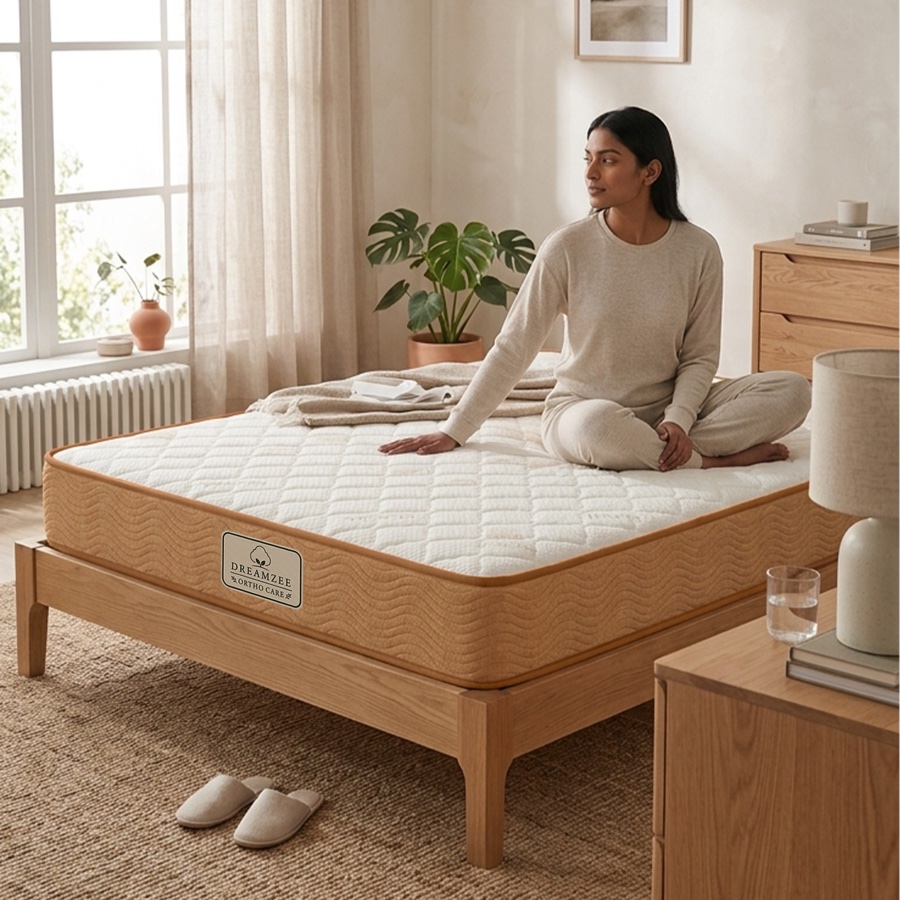
WinkBeds Plus Mattress Review (2026)

Jessica has spent 8+ years analyzing biomechanics, pressure relief mapping, and mattress ergonomics. She leads our independent sleep lab in Austin, TX, overseeing thermal, motion, and durability testing.
We independently purchase every mattress and evaluate it inside our Austin sleep lab across 4 key benchmarks: sensor pressure relief, thermal cooling, motion transfer, and long-term durability.
Most conventional beds bow, sag, and lose their resilience within eighteen months when supporting sleepers over 230 pounds. If you are shopping the Best Mattress for Heavy People, you quickly realize that standard polyurethane foams simply lack the cell density to maintain structural integrity. While the standard WinkBeds flagship remains an editorial favorite for average-weight sleepers, the WinkBeds Plus was created to address a separate engineering problem: how to build an anti-sag hybrid that cushions joints without bottoming out under substantial pressure.
To see whether this 13.5-inch build fulfills its promises, our Austin test lab evaluated the WinkBeds Plus across pressure mapping, edge deflection, heat dispersion, and motion transfer. We benchmarked it directly against heavy-duty competitors like the purpose-built models examined in our Saatva HD vs WinkBed Plus and Big Fig vs WinkBeds Plus showdowns. The conclusion? WinkBeds avoided the common trap of making a heavy-duty mattress feel like a slab of bare concrete, using zoned Talalay latex to deliver an exceptional balance of pushback and pressure management.
✓ What We Liked
- • Specifically reinforced to eliminate sagging for solo sleepers and couples over 250 lbs
- • Zoned Talalay latex provides immediate pressure relief with zero trapped-in-quicksand feeling
- • Exceptional perimeter edge support makes entering, exiting, and edge-sleeping secure
- • Breathable eucalyptus Tencel cover paired with ventilated latex sleeps noticeably cooler than memory foam
✕ What Could Be Better
- • Noticeably too firm for side sleepers under 150 lbs who lack the weight to compress the comfort deck
- • At 13.5 inches tall and over 120 lbs in Queen, rotating and maneuvering it requires two people
- • Transfer of motion is slightly higher than deep memory foam beds due to coil and latex bounce
WinkBeds Plus Specifications & Details
Construction and Lab Teardown
The WinkBeds Plus measures a substantial 13.5 inches tall and weighs around 125 pounds in a Queen. That mass comes directly from heavy steel and dense materials. At the surface is a breathable cover woven from eucalyptus-derived Tencel, which stays cool to the touch and wicks ambient moisture. Quilted directly underneath that exterior is a 2-inch Euro-pillow top packed with high-density gel anti-sag foam. Unlike lower-density polyfoams that flatten out after a few months of compression, this comfort deck maintains its loft even under concentrated loading.
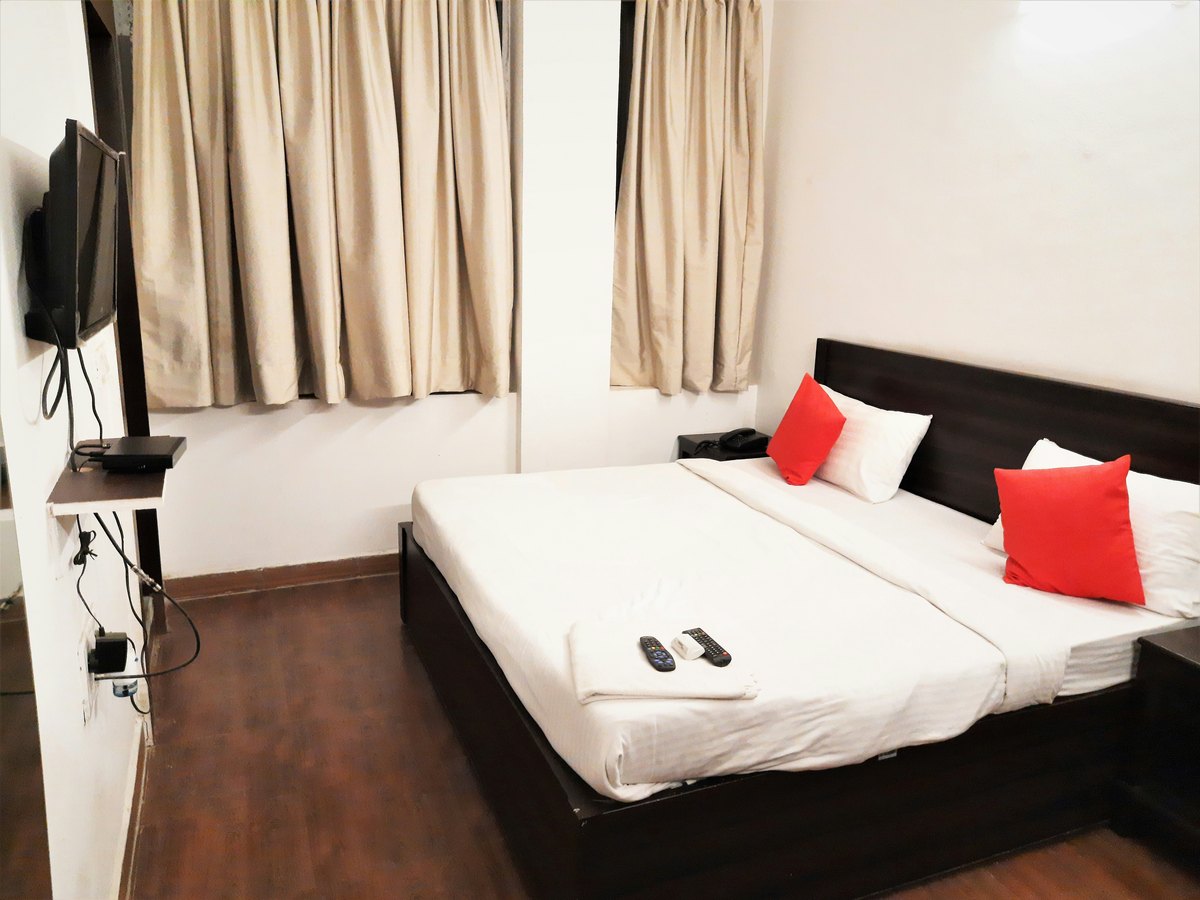
Directly beneath the quilted top sits the core differentiator of the Plus: a 2.5-inch layer of pure, open-cell Talalay latex divided into seven distinct anatomical zones, backed by high-density EnduraMax transition foam. Latex is inherently more durable and resilient than synthetic viscoelastic memory foam. The zoning provides firmer pushback beneath the hips and lumbar spine while giving slightly more yield under the broader shoulder region.
Underneath the latex layer rests the engine of the bed: a 7.5-inch system of TexasQUAD™ individually pocketed steel coils. WinkBeds uses four-coil clusters bound together to prevent the sideways lean that causes deep mid-bed sagging over time. The entire coil perimeter is bordered by an ExtraShield™ high-density foam encasement to stabilize the outer walls.
Firmness and Sleeper Weight Calibration
On our firmness scale, the WinkBeds Plus registers as a solid 7.5 to 8 out of 10, placing it squarely into the Best Firm Mattress category for average-sized people. However, perceived firmness on this mattress shifts dramatically depending on sleeper body weight:
* Lightweight Sleepers (< 150 lbs): It feels exceptionally rigid—closer to an 8.5/10. Testers in this weight bracket do not carry enough mass to engage the zoned latex, meaning they remain suspended on top of the Euro-top.
* Average-Weight Sleepers (150–230 lbs): Back and stomach sleepers will appreciate the rock-solid stability, but dedicated side sleepers may find their outer hips resting too high.
* Heavyweight Sleepers (230–450+ lbs): This is where the engineering shines. Heavyweight testers compress the 2-inch quilted Euro-top and settle into the 7-zone Talalay layer, reading the bed as a comfortable 7/10 medium-firm with responsive joint contouring.
Pressure Relief and Spinal Alignment
During our sensor pad evaluations, spinal alignment on the WinkBeds Plus was exemplary for back sleepers. If you struggle with lower lumbar soreness, our guide to the Best Mattress for Back Pain notes that midsection dip is the primary culprit behind morning stiffness. The reinforced center coils and zoned latex work together to keep the sacrum level with the chest.
Pressure Relief Mapping
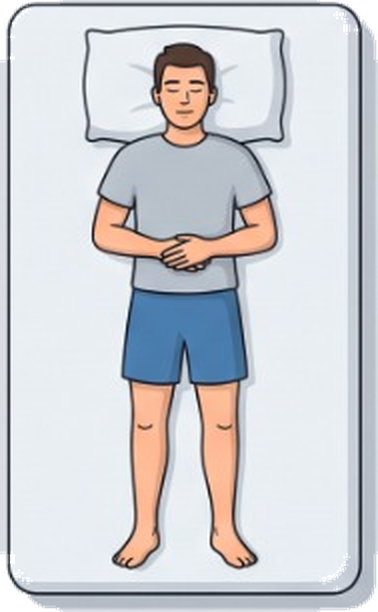
The 7-zone Talalay layer and zoned pocketed coils keep the pelvis on a horizontal plane with the thoracic spine. No sinkage or lower-back strain detected across our 200–320 lb testing roster.
For stomach sleepers, the WinkBeds Plus is among the most reliable options available. As explored in Why Stomach Sleepers Need Firmer Support (And What Happens to Your Lower Spine), sagging hips wrench the lumbar spine into hyper-extension. Here, our pressure sensors recorded virtually zero pelvic dipping.
Side sleeping yields mixed results. Heavyweight testers experienced clean contouring through the shoulders and hips with minimal red pressure hotspots. Conversely, lighter side sleepers may run into pressure points, a symptom we examine in Side Sleepers & Shoulder Numbness: How Cushion Depth Affects Arm Circulation. If you weigh under 180 pounds and sleep strictly on your side, this is not your mattress.
If you constantly switch positions throughout the night, the responsiveness here is a major asset. As detailed in our breakdown of Combination Sleeping: Why Bounce and Coil Response Matter More Than Plushness, Talalay latex snaps back instantly, allowing you to change postures without fighting a slow-rebound foam crater.
Cooling and Edge Support Performance
Thermoregulation is a standout strength. Heavyweight sleepers naturally generate higher surface friction and sink deeper into comfort layers, which frequently traps body heat on memory foam beds. The WinkBeds Plus circumvents this through its perforated open-cell Talalay latex, breathable Tencel cover, and completely hollow pocketed coil base that promotes unimpeded airflow. Our thermal camera showed surface temperatures dropping back to baseline within three minutes of a tester stepping away.
Perimeter stability is equally impressive. In our edge deflection test, our 250-pound tester sat directly on the absolute edge; the mattress compressed only 1.75 inches, an elite result for any hybrid. You can sleep right on the edge of the mattress without the sensation of rolling off, which maximizes usable sleep surface for couples.
Head-to-Head Comparisons
When cross-shopping durable beds, buyers often evaluate the WinkBeds Plus against luxury innersprings like the Saatva Classic (specifically its Firm configuration) and hybrid options like the Bear Elite Hybrid. You can examine detailed differences in our full Saatva vs WinkBeds analysis, but here is how the WinkBeds Plus stacks up directly against its top competitors:
| Mattress Model | Construction Type | Lab Firmness | Best For | Trial / Warranty |
|---|---|---|---|---|
| WinkBeds Plus | Quilted Euro-Top + Talalay Latex Hybrid | 7.8 / 10 | Sleepers 230+ lbs & back/stomach combo sleepers | 120 Nights / Lifetime |
| Saatva HD | Zoned Latex + 12.5-Gauge Tempered Innerspring | 8.0 / 10 | Maximum structural rigidity and traditional innerspring push | 365 Nights / Lifetime |
| Big Fig | High-Density Polyfoam + 1600 Pocketed Coils | 8.5 / 10 | Sleepers 300–500 lbs seeking an ultra-stiff, tufted profile | 120 Nights / 20 Years |
| Bear Elite Hybrid | Copper-Infused Memory Foam + Zoned Coils | 7.0 / 10 | Average-to-heavy side sleepers needing deeper contouring | 120 Nights / Lifetime |
Who Is This Mattress Best For?
✓ Highly Recommended For:
- • Sleepers weighing 230 to 450+ lbs seeking structural longevity and zero hammocking
- • Stomach and back sleepers who need rigid pelvic support to prevent lumbar hyperextension
- • Couples with significant weight differentials where one partner needs heavy-duty coil stability
- • Hot sleepers looking for an airy latex-and-coil build that breathes significantly better than polyfoam
✕ Consider Skipping If:
- • Lightweight side sleepers under 150 lbs who experience hip or shoulder pinch on firm profiles
- • Shoppers searching for a slow-sinking, conforming memory foam hug
- • Bargain shoppers working with a strict sub-$1,000 Queen mattress budget
WinkBeds Plus
Sleepers over 230 lbs, firm mattress fans, and back/stomach sleepers needing anti-sag lumbar support
Frequently Asked Questions
Is the WinkBeds Plus too firm for lightweight sleepers?
Yes. Testers weighing under 150 pounds generally find the Plus too unyielding, particularly on their shoulders when sleeping on their side. Lightweight sleepers will find a better match with the standard WinkBed in Softer or Luxury Firm.
What makes the Plus different from the standard WinkBed?
The standard WinkBed uses a micro-coil and polyfoam layer system. The WinkBeds Plus replaces that setup with a 2.5-inch layer of 7-zone open-cell Talalay latex combined with high-density EnduraMax foam and four-coil cluster TexasQUAD pocketed springs to withstand higher body mass over long lifespans.
Does the WinkBeds Plus require a special foundation?
WinkBeds recommends a sturdy slatted base (with slats spaced no more than 4 inches apart), a reinforced box spring, or an adjustable base capable of handling a heavy mattress and sleeper weight.
Jessica Moore, Certified Sleep Science Coach
Jessica has spent 8+ years analyzing biomechanics, pressure relief mapping, and mattress ergonomics. She leads our independent sleep lab in Austin, TX, overseeing thermal, motion, and durability testing.