DreamCloud Mattress Review (2026)

Jessica has spent 8+ years analyzing biomechanics, pressure relief mapping, and mattress ergonomics. She leads our independent sleep lab in Austin, TX, overseeing thermal, motion, and durability testing.
We independently purchase every mattress and evaluate it inside our Austin sleep lab across 4 key benchmarks: sensor pressure relief, thermal cooling, motion transfer, and long-term durability.
Few mattresses generate as much debate on our Austin lab floor as the flagship DreamCloud Hybrid. Positioned directly against luxury innerspring royalty like our Saatva vs DreamCloud matchup, this 12-inch hybrid makes bold promises: hotel-grade aesthetics, body-contouring gel foam, and industrial-gauge steel coils at an entry-level price point. It frequently competes for a top spot among the best mattress in a box contenders because it undercuts traditional department store prices by half.
Yet affordability often hides structural compromises. When shoppers compare the brand's sibling mattress in our Nectar vs DreamCloud breakdown, they want to know whether adding coils solves the typical sink-and-bake sensation of memory foam, or whether it just creates a bouncy, noisy slab. After running the DreamCloud through four weeks of sensory pressure mapping, perimeter compression testing, and thermal decay measurements, we found that it holds its ground remarkably well—especially as one of our recommendations for the best mattress for back pain.
Construction and Layer Breakdown
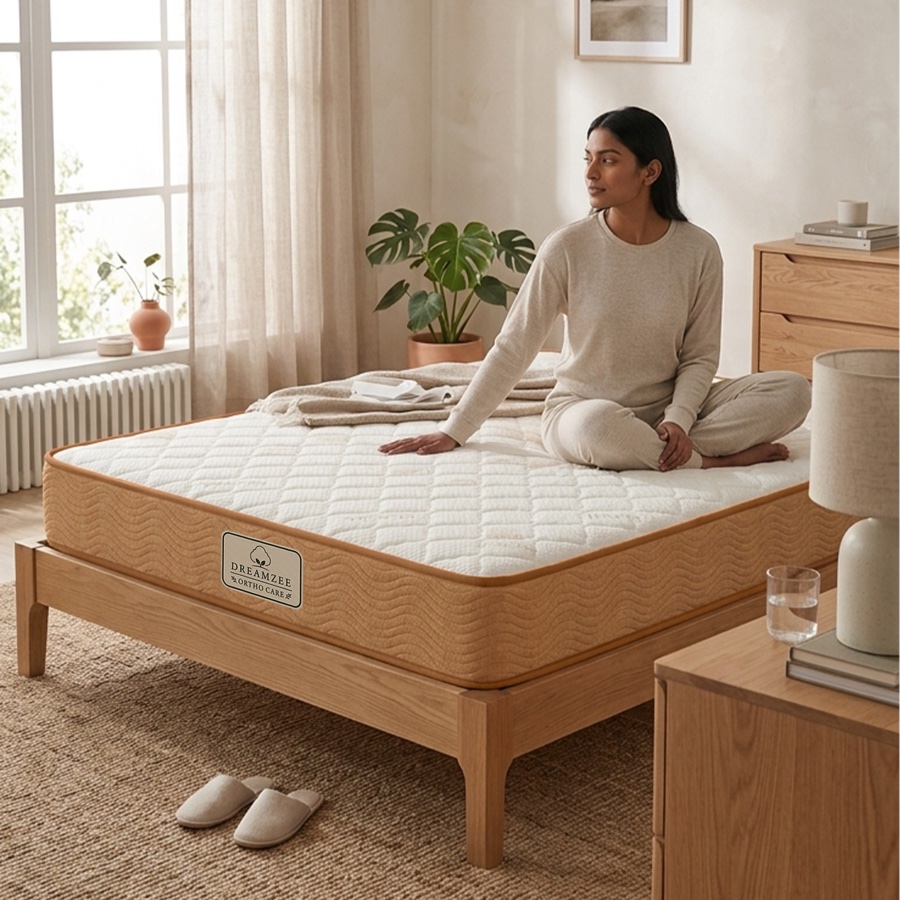
The DreamCloud is built on a foundational 12-inch platform composed of five distinct layers. At the surface rests the proprietary CloudQuilt™ cover, woven with a cashmere blend that feels soft, breathable, and slightly lofted. Directly beneath this fabric, DreamCloud stitches 1.0 inch of gel-infused memory foam directly into the quilting. This gives the surface an immediate pillow-top cushion before your body meets the actual core.
Beneath the quilted cover sits a 1.0-inch transition layer of dynamic support polyfoam. This layer acts as an essential buffer: it catches your weight before you contact the pocketed coils, distributing point pressure outward. The engine of the bed is an 8.5-inch system of individually wrapped steel coils sitting on top of a 1.0-inch base layer of high-density polyfoam. The perimeter of this coil deck uses higher-gauge wire to prevent edge roll-off.
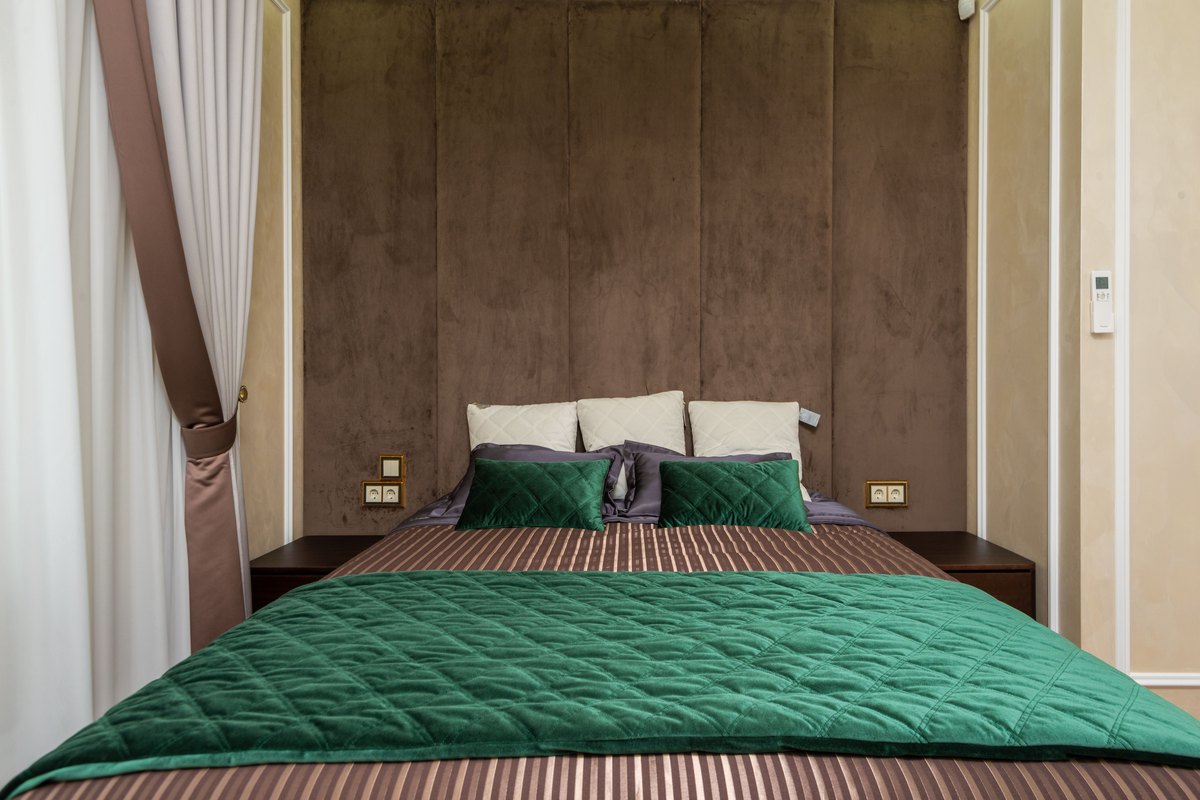
DreamCloud Specifications & Details
Firmness, Feel, and Response
On our standardized 1-to-10 firmness scale, we rate the DreamCloud at a 6.5 out of 10, placing it square in the "Luxury Firm" sweet spot. When you stretch out, the cashmere cover and quilted gel foam offer about 1.5 inches of cushiony contouring. However, you do not sink into a deep foam footprint like you would on an all-foam bed. Instead, the dynamic transition layer and coils push back cleanly.
This balance produces an "on-top-of-the-bed" sensation rather than an "in-the-bed" quicksand trap. In our turn-recovery test, a 20-pound steel bowling ball dropped onto the surface rebounded to rest in just 0.42 seconds. If you are comparing this model to other popular beds like in our DreamCloud vs Casper analysis, the DreamCloud feels noticeably bouncier, making repositioning practically effortless. For sleepers curious about the plush upgrade, our DreamCloud vs DreamCloud Premier guide highlights how the step-up model adds extra foam depth for a plusher 6.0/10 profile.
Pressure Relief and Sleeping Posture Performance
Our lab team placed sensory pressure pads across the mattress to record interface pressures across different sleeper profiles.
Back sleeping on the DreamCloud is where the mattress truly shines. The quilted foam compresses just enough to fill the gap in the lumbar spine, while the 8.5-inch coil unit maintains a level pelvis. Testers weighing between 130 and 230 pounds registered uniform green readings (under 20 mmHg) across the mid-back and sacrum.
Pressure Relief Mapping
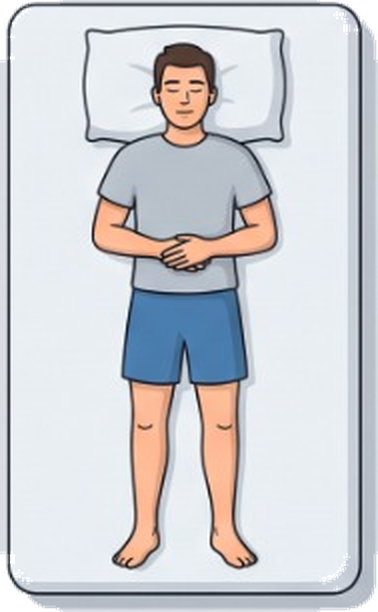
The quilted Euro-top fills the lumbar curve effortlessly while the 8.5-inch pocketed coils prevent pelvis drop, keeping pressure readings in the deep green zone.
For side sleepers, performance depends on body mass. Testers weighing over 160 pounds sank through the initial euro-top comfortably, allowing hips and shoulders to settle into the coil deck without creating painful pinch points. However, petite side sleepers (under 130 pounds) did not generate enough downward force to bypass the firmer transition foam. If you are prone to joint soreness, read our diagnostic on hip pain from mattress too soft or too firm before deciding whether this 6.5/10 firmness profile fits your morphology.
Stomach sleepers under 200 pounds will appreciate the coil deck's resilience. The mattress keeps the hips aligned with the torso, preventing the severe lumbar hyperextension that causes morning tightness. For sleepers alternating between back and stomach, checking our guide on combination sleeping bounce coil response shows why this coil responsiveness matters so much for nocturnal mobility.
Edge Support and Motion Isolation
Edge stability is critical if you share a smaller bed frame or sit on the side to put on shoes. In our perimeter test, we positioned a 200-pound tester directly on the boundary of the DreamCloud. The mattress compressed only 2.1 inches—well below the 2.75-inch industry average. The reinforced perimeter coils do their job, ensuring you never feel as though you might slide onto the floor.
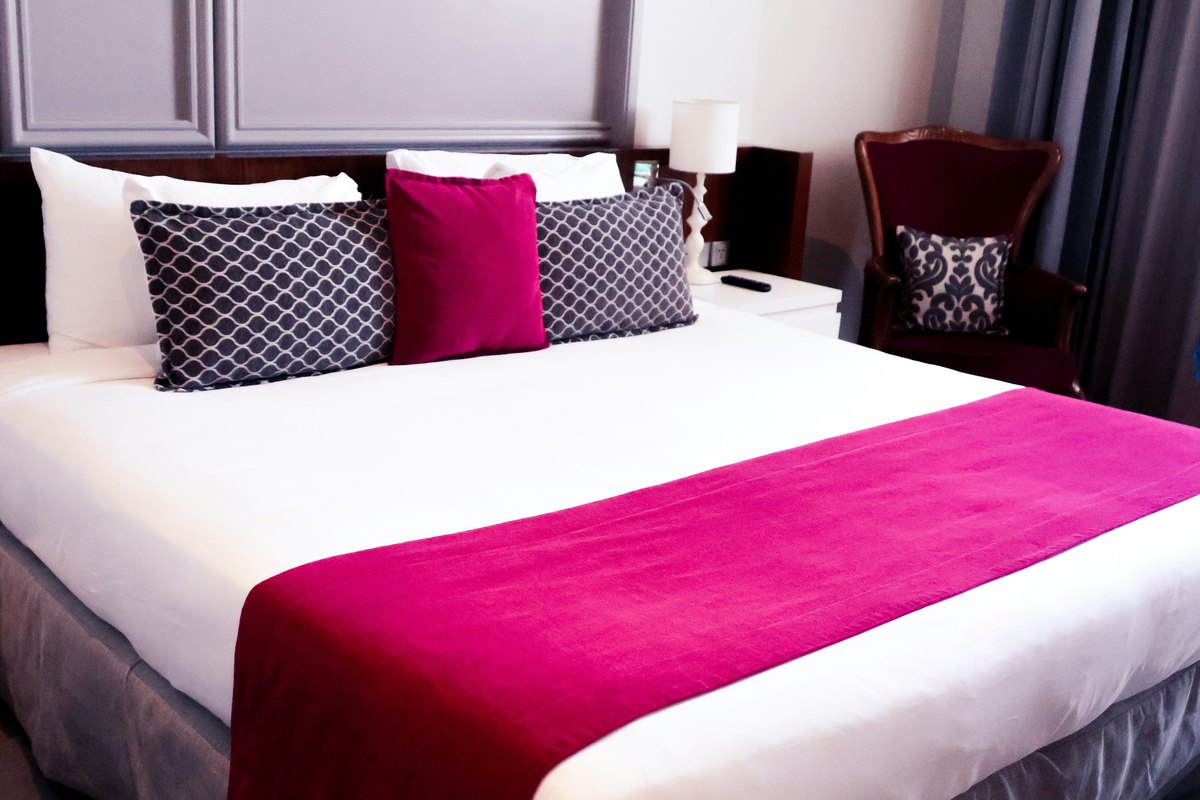
Motion isolation is respectable for an active coil hybrid, scoring an 9.1 out of 10. While an all-foam mattress like those in our DreamCloud Foam vs Hybrid test dampens vibration marginally better, the DreamCloud's pocketed coils are individually wrapped in fabric sleeves. When one coil compresses, it does not drag its neighbors down. In our partner test, getting in and out of bed produced small surface flickers on our seismograph, but rarely enough to wake a sleeping partner. It firmly earns its place among our tested options for the best mattress for couples.
Temperature Regulation
Hybrid mattresses naturally run cooler than all-foam beds because the open spaces between the 8.5-inch coils act as ventilation channels. We checked surface temperature using FLIR thermal imaging cameras before and after a 30-minute nap session. The surface warmed to 89.2°F, but dropped back to room baseline within two minutes of the tester standing up. The cashmere-blend cover wicks sweat effectively, and the gel infusion in the top inch of foam helps dissipate initial body heat.
✓ What We Liked
- • Excellent value-to-build ratio featuring high-end tufting and zoned-feel coil support
- • Strong lumbar reinforcement that prevents hip dipping for back and stomach sleepers
- • Substantial edge stability thanks to reinforced perimeter coils
- • Industry-leading 365-night trial and Forever Warranty
✕ What Could Be Better
- • Slightly firm for strict side sleepers under 130 lbs seeking deep contouring
- • Bouncy pocket coil core transfers slightly more motion than all-foam competitors
- • Heavy 82 lb Queen profile makes rotation a two-person job
Head-to-Head Comparisons
To see how the DreamCloud stacks up against its peers, we tested it side-by-side with three leading rivals: the zoned luxury innerspring Saatva Classic, the balanced Helix Midnight, and the heavy-duty WinkBed. You can explore our deep dive in the DreamCloud vs WinkBed breakdown, or view the lab comparison table below:
| Feature | DreamCloud Hybrid | Saatva Classic | Helix Midnight | WinkBed | Reference Link |
|---|---|---|---|---|---|
| Starting Price | $499 | $1,095 | $749 | $999 | Saatva Classic |
| Mattress Type | Euro-Top Hybrid | Dual-Coil Innerspring | Foam/Coil Hybrid | Euro-Top Hybrid | WinkBeds |
| Profile Height | 12 inches | 11.5" or 14.5" | 11.5 inches | 13.5 inches | Helix Midnight |
| Firmness Score | 6.5 / 10 | 6.5 / 10 (Luxury Firm) | 6.0 / 10 | 6.5 / 10 | DreamCloud Premier |
| Edge Support | 8.9 / 10 | 9.7 / 10 | 8.7 / 10 | 9.4 / 10 | DreamCloud vs WinkBed |
| Sleep Trial | 365 Nights | 365 Nights | 100 Nights | 120 Nights | Saatva vs DreamCloud |
Compared to the Saatva Classic, DreamCloud arrives compressed in a box rather than fully assembled via white-glove courier, but it delivers comparable luxury-firm back support at nearly half the cost. Against the Helix Midnight, DreamCloud feels slightly firmer and more traditional thanks to its tufted Euro-top cover.
Who Is This Mattress Best For?
✓ Highly Recommended For:
- • Back sleepers needing dedicated lumbar lift without feeling like they are resting on a plank
- • Combination sleepers who switch positions and need active bounce to move freely
- • Couples looking for dependable edge support to maximize usable sleep surface
- • Shoppers seeking hotel-grade hybrid builds under $700 on sale
✕ Consider Skipping If:
- • Petite side sleepers seeking sink-in doughy foam to relieve sharp shoulder pressure
- • Ultra-light sleepers easily startled by small surface vibrations during partner movement
- • Fans of ultra-soft, enveloping pillow tops who prefer feeling 'in' rather than 'on' a bed
Practical Buying Details
DreamCloud offers one of the friendliest customer policies in the direct-to-consumer sleep sector. You get a full 365-night home trial, giving your body ample time to adapt through all four seasons. Note that DreamCloud requires a 30-day break-in period before initiating a return, which is common practice to allow the foams to soften. If you decide to keep it, the bed is backed by a Forever Warranty™ covering structural defects, impressions greater than 1.5 inches, and coil degradation. Shipping and standard returns within the contiguous United States are free.
DreamCloud
Back sleepers, combo sleepers, and budget-conscious hybrid shoppers
Frequently Asked Questions
Does the DreamCloud mattress need a box spring?
No. The DreamCloud works on any firm, flat surface including slatted platform frames (slats no more than 4 inches apart), solid foundations, or adjustable bases. Traditional box springs are not required.
How long does the DreamCloud take to expand?
While the mattress expands to roughly 90% of its 12-inch profile within two to three hours of unboxing, it typically takes 24 to 48 hours for the perimeter edges and euro-top foam to reach full firmness and off-gas completely.
Is the DreamCloud good for heavy sleepers?
Sleepers between 200 and 250 pounds will find great support from the 8.5-inch steel coil system. Those over 250 pounds who sleep exclusively on their sides may prefer an even thicker profile or dedicated heavy-duty hybrid with zoned 13-gauge coils.
Jessica Moore, Certified Sleep Science Coach
Jessica has spent 8+ years analyzing biomechanics, pressure relief mapping, and mattress ergonomics. She leads our independent sleep lab in Austin, TX, overseeing thermal, motion, and durability testing.