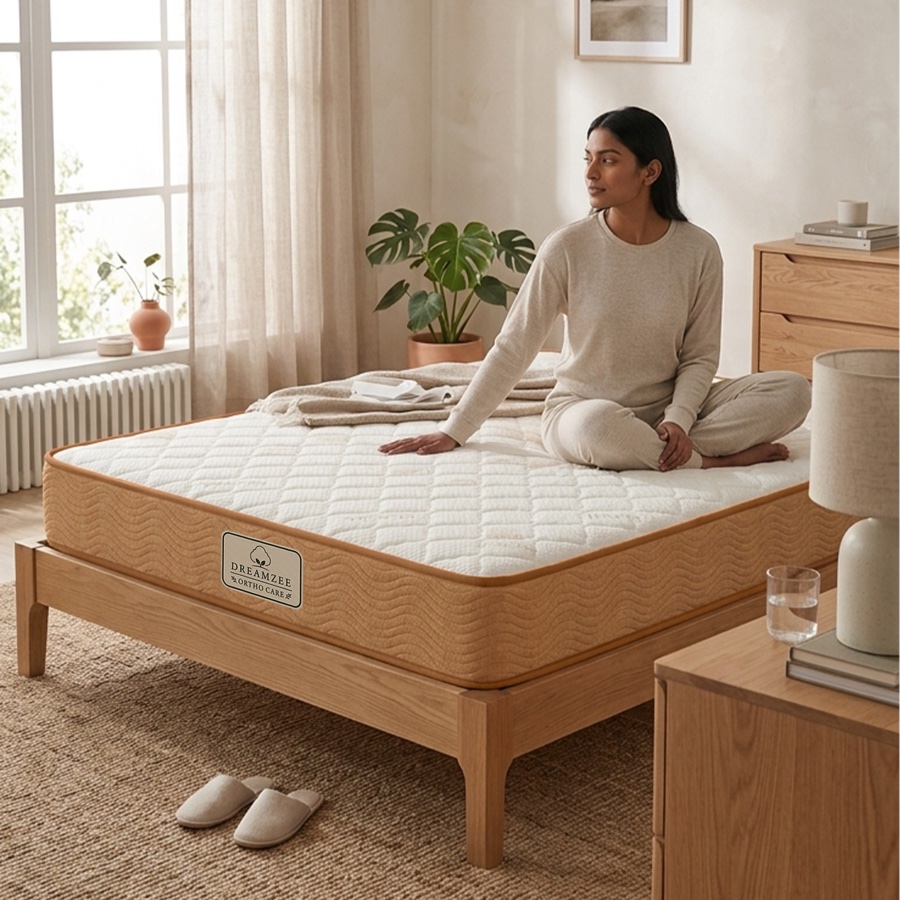
Brooklyn Bedding Signature Mattress Review (2026)

Jessica has spent 8+ years analyzing biomechanics, pressure relief mapping, and mattress ergonomics. She leads our independent sleep lab in Austin, TX, overseeing thermal, motion, and durability testing.
We independently purchase every mattress and evaluate it inside our Austin sleep lab across 4 key benchmarks: sensor pressure relief, thermal cooling, motion transfer, and long-term durability.
Most mattress brands outsource production to third-party contract manufacturers, inflating costs through successive middlemen. Brooklyn Bedding operates its own state-of-the-art manufacturing plant in Phoenix, Arizona. This vertical integration allows the brand to pack premium pocketed coils and proprietary foams into the Brooklyn Bedding Signature Hybrid while selling a Queen under the four-figure mark during routine holiday promotions. If you are comparing mid-range hybrids, head-to-head assessments like the Brooklyn Signature vs Ghostbed breakdown highlight just how aggressive Brooklyn Bedding’s direct-to-consumer pricing truly is.
In our Austin sleep lab, we put the Medium model of the Signature Hybrid through our complete testing gauntlet. We measured surface heat dissipation, mapped interface pressure across body types, pushed the edge support perimeter to its structural limits, and evaluated how effortlessly sleepers can switch postures. It consistently ranks high among our picks for the best mattress in a box thanks to its responsive, latex-like bounce and sensible three-way firmness system.
✓ What We Liked
- • Phenomenal value-to-performance ratio made in an owned US factory
- • Responsive TitanFlex foam avoids memory foam sinkhole sensations
- • Generous pocketed coil system promotes constant thermal airflow
- • Three firmness options offer genuine comfort customization
- • Reinforced steel edge perimeter holds up under sitting weight
✕ What Could Be Better
- • $99 return processing fee applies if you send the mattress back
- • Motion isolation falls short of dense, all-foam competitors
- • Heavyweight stomach sleepers need the specialized Titan over this build
Construction and Materials: Inside the Phoenix Build
The Brooklyn Bedding Signature measures a sturdy 12.25 inches tall (expanding to roughly 14 inches if you choose the optional Cloud Cooling Pillow Top). It begins with a 1.5-inch quilted top cover woven with cooling polyfoam. This layer imparts a classic, tufted mattress hand-feel that cushions immediate surface pressure without trapping dead air.
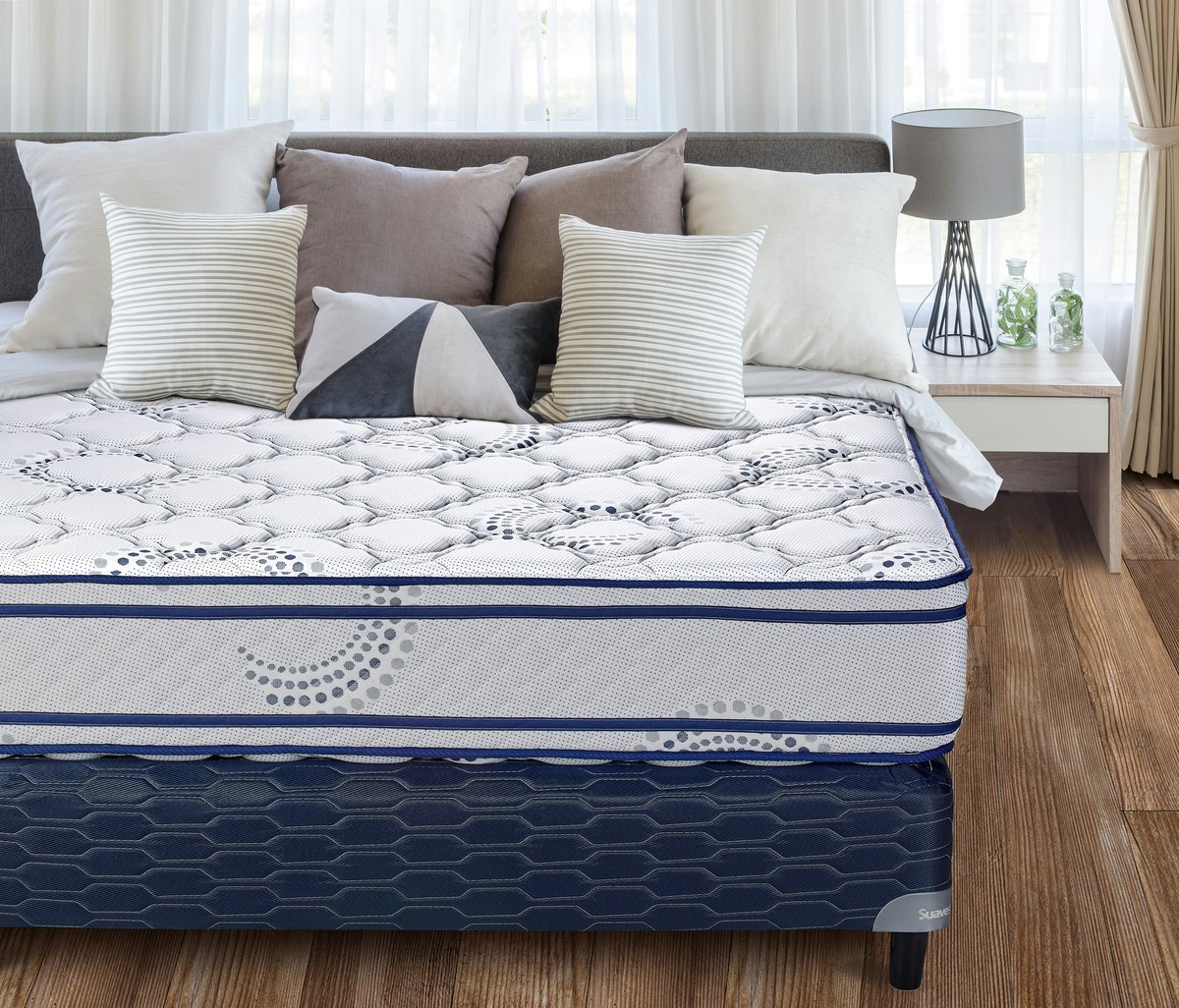
Directly beneath the quilted cover sits the star of the build: 1.5 inches of patented TitanFlex foam. TitanFlex is a hyper-dense polyfoam engineered to exhibit the contouring pressure relief of memory foam combined with the instantaneous spring of open-cell latex. Beneath that comfort layer lies a 1-to-2-inch VariFlex transition foam layer, customized according to your chosen firmness (Soft, Medium, or Firm).
The primary support engine is an 8-inch core of up to 961 Ascension individually encased pocketed coils. These coils move independently to match musculoskeletal curves while circulating air freely. Thicker-gauge perimeter coils line the outer borders to reinforce the bed’s edges. Finally, a 0.25-inch high-density base foam layer anchors the unit, giving the pocketed springs a rigid surface to push off from.
Brooklyn Bedding Signature Specifications & Details
Firmness and Sleeper Profiles
Brooklyn Bedding offers the Signature in three configurations. We evaluated the Medium, which registered at an exact 6 out of 10 on our firmness scale. The Soft option rates around a 4/10, making it a viable candidate for our best soft mattress guide, while the Firm variant lands at an 8/10.
Side sleepers weighing between 130 and 220 pounds will find the Medium model exceptionally balanced. If you suffer from side sleepers & shoulder numbness: how cushion depth affects arm circulation, the 3 inches of combined quilted cover and TitanFlex let the acromion process sink just enough to preserve neutral alignment. For expectant mothers experiencing localized pelvic soreness, pairing this layer structure with tips from our side sleeping during pregnancy: pressure points, heat & safe support layers delivers reliable night-long relief.
Pressure Relief Mapping
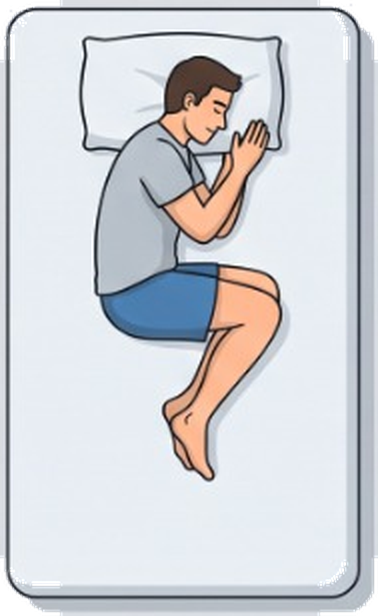
Our sensor grid recorded gentle pressure dispersal across the deltoid and trochanter. The TitanFlex comfort layer provides immediate surface give before pocketed coils halt deeper sinkage.
Back sleepers under 230 pounds enjoy exceptional lower-back support. The Ascension coil array prevents deep pelvic sinking, reinforcing the natural curve of the lumbar spine. That said, strict front sleepers must choose carefully. As outlined in our clinical guide on why stomach sleepers need firmer support (and what happens to your lower spine), stomach sleeping on anything softer than a true 7.5/10 can cause excessive anterior pelvic tilt. If you primarily rest on your stomach, skip the Medium and order the Firm build, or review the dedicated heavy-duty builds in our Brooklyn Bedding Titan vs Big Fig comparison.
Motion Transfer and Responsiveness
Because TitanFlex acts like buoyant latex rather than viscous memory foam, the Signature Hybrid is lively. When testing position changes, we experienced zero "quicksand" sensation. As covered in our lab breakdown on combination sleeping: why bounce and coil response matter more than plushness, responsive hybrids drastically reduce the caloric energy required to change positions at night.
The natural trade-off for this agility is motion transfer. When our 200-pound tester dropped a 15-pound kettlebell onto one side of the surface, our digital seismograph detected minor kinetic spillover across the center seam. It isolates movement better than traditional innersprings, but couples sensitive to tossing and turning may find all-foam mattresses like the Nectar Memory Foam slightly quieter.

Edge Support and Temperature Regulation
We evaluated edge stability by seating testers of varying weights along the perimeter. The reinforced Ascension perimeter coils held firm, deflecting only 3.6 inches under sitting loads—well ahead of typical rolled mattresses. This makes morning shoe-tying steady and prevents the roll-off sensation that often causes neck stiffness in the morning: mattress edge, pillow loft & spinal alignment.
Thermal performance is another standout metric. The Signature Hybrid avoids dense slabs of solid viscoelastic foam. Instead, ambient air moves freely through the 8-inch pocketed coil chamber, constantly pushing hot air out through the sidewalls. During our thermal gun testing, the quilted polyfoam surface cooled back down to room baseline within three minutes of a sleeper exiting the bed.
Comparison: Brooklyn Bedding Signature vs. The Competition
| Mattress Model | Type | Firmness Options | Austin Lab Score | Queen Sale Price |
|---|---|---|---|---|
| Brooklyn Bedding Signature | Pocket-Coil Hybrid | Soft (4), Med (6), Firm (8) | 9.3 / 10 | ~$999 |
| Saatva Classic | Dual-Coil Hybrid | Plush Soft (3), Luxury Firm (6.5), Firm (8) | 9.8 / 10 | ~$1,695 |
| Helix Midnight | Pocket-Coil Hybrid | Medium (6/10) | 9.3 / 10 | ~$999 |
| WinkBeds | Euro-Pillowtop Hybrid | Softer (4.5), Luxury Firm (6.5), Firmer (7.5), Plus (8) | 9.5 / 10 | ~$1,499 |
When matched against direct peers, the Signature holds its own remarkably well. The Saatva Classic brings luxurious innerspring tailoring and complimentary white-glove delivery, but costs hundreds more. The WinkBeds hybrid offers a plusher, micro-coil Euro-pillowtop profile, yet the Signature remains more nimble for combination sleepers. Against the Helix Midnight, the Brooklyn Bedding Signature feels slightly more springy on top due to its TitanFlex foam, whereas the Midnight provides a more traditional slow-response memory foam hug.
Who Is This Mattress Best For?
✓ Highly Recommended For:
- • Shoppers looking for the best mattress in a box under $1,000
- • Combination sleepers needing rapid-recovery foam to switch positions
- • Couples who want active bounce for intimacy without overheating
- • Side sleepers battling shoulder pressure on stiffer mattresses
✕ Consider Skipping If:
- • Sleepers wanting slow-melting, zero-gravity memory foam hug
- • Partners hyper-sensitive to nocturnal movement and restless kicking
- • Strict stomach sleepers over 230 lbs requiring ultra-rigid lumbar support
Brooklyn Bedding Signature
Value-conscious sleepers seeking customized firmness and springy responsiveness
Frequently Asked Questions
Does the Brooklyn Bedding Signature require a box spring?
No. It works seamlessly on any flat, firm foundation, including slatted platform frames (slats spaced less than 4 inches apart), solid box foundations, or adjustable power bases.
What is Brooklyn Bedding's return policy?
Brooklyn Bedding provides a 120-night trial that requires a mandatory 30-night break-in window so your body can adjust to the new materials. If you still choose to return the mattress within the remaining trial window, a $99 processing fee will be deducted from your total refund, though the company frequently offers free firming/softening toppers to resolve comfort mismatches before executing a return.
Which firmness should I choose?
Side sleepers and lightweight individuals under 130 lbs should choose the Soft (4/10). The Medium (6/10) is the sweet spot for combination sleepers, back sleepers, and couples. Back-and-stomach combination sleepers over 200 lbs should select the Firm (8/10) to keep their hips level.
Jessica Moore, Certified Sleep Science Coach
Jessica has spent 8+ years analyzing biomechanics, pressure relief mapping, and mattress ergonomics. She leads our independent sleep lab in Austin, TX, overseeing thermal, motion, and durability testing.