


Key Takeaways
- Athletic recovery requires deep slow-wave sleep, which relies on temperature regulation below 88°F at the sleep surface.
- Targeted zoned support prevents heavy muscular shoulders and hips from bottoming out into rigid transition layers.
- Dynamic responsiveness is essential: athletes need ease of movement so fatigued muscles do not work during nocturnal position changes.
- Adjustable air chambers and specialized therapeutic foam blends offer the highest degree of customized joint offloading.
| Model | Type | Firmness (1-10) | Cooling Score | Pressure Relief | Edge Support | Trial / Warranty | Price (Queen) |
|---|---|---|---|---|---|---|---|
| Saatva RX | Therapeutic Hybrid | 6.5 / 10 | 9.4 / 10 | 9.8 / 10 | 9.6 / 10 | 365 nights / Lifetime | $3,295 |
| Saatva Solaire | Adjustable Air Hybrid | Custom (1–10) | 9.2 / 10 | 9.7 / 10 | 9.1 / 10 | 365 nights / Lifetime | $3,745 |
| Nolah Evolution 15 | Cooling Euro-Top Hybrid | 4.5, 6.5, or 8 / 10 | 9.6 / 10 | 9.5 / 10 | 9.3 / 10 | 120 nights / Lifetime | $1,499 |
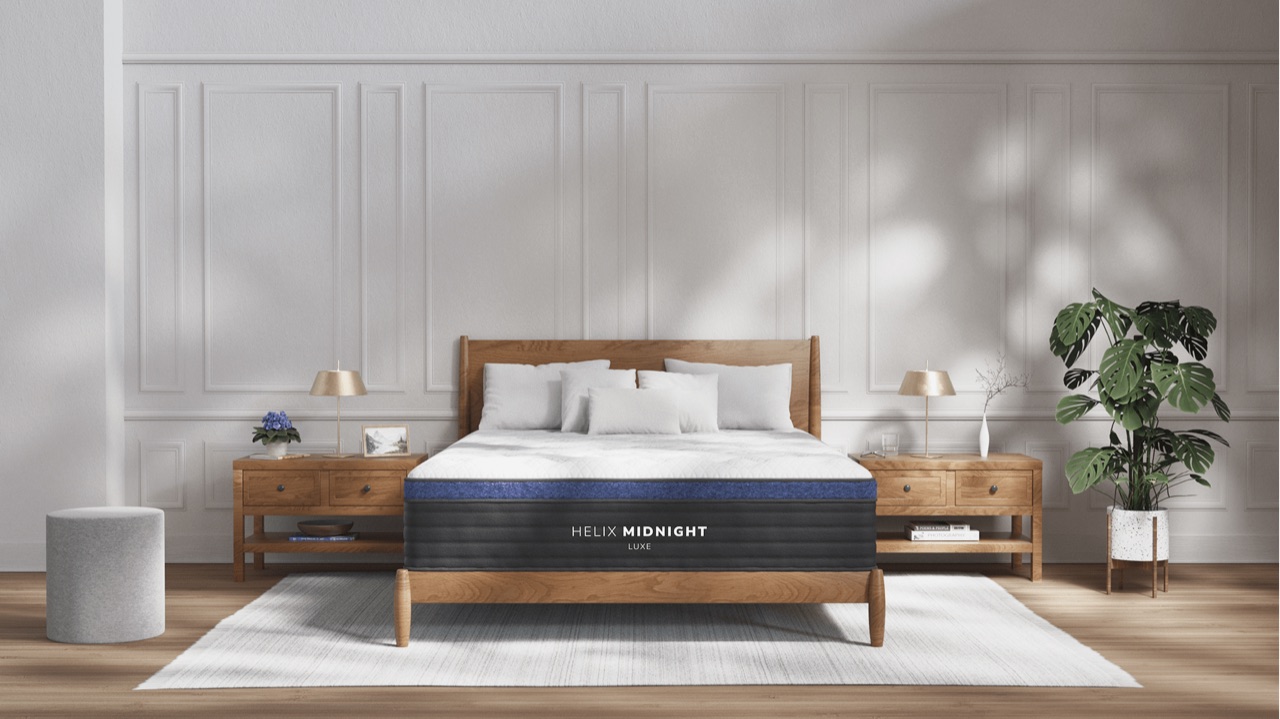
| Helix Midnight Luxe | Targeted Hybrid | 6 / 10 | 9.1 / 10 | 9.4 / 10 | 9.2 / 10 | 100 nights / 15-Year | $1,780 |
High-intensity athletic training breaks down muscle tissue; uninterrupted, restorative sleep builds it back up. During slow-wave stages 3 and 4 of non-REM sleep, the pituitary gland pulses human growth hormone (HGH) into the bloodstream, triggering cellular repair, tissue regeneration, and metabolic recalibration. Yet, if an athlete's bed creates high-pressure contact zones or traps body heat, nocturnal micro-arousals disrupt these critical recovery windows. If you wake up with a tight lower back or tingling extremities, it may be time to evaluate how often to replace your mattress.
Athletes carry distinct physical demands compared to sedentary sleepers. Increased lean muscle mass elevates contact pressure at the lumbar curve, shoulder girdle, and iliac crest. Meanwhile, an elevated basal metabolic rate leads to intense nighttime thermal dumping. For athletes battling recurrent spinal stiffness, a purpose-built design like the Saatva RX provides medical-grade contouring, while those seeking dialed-in adjustments across heavy micro-cycles often favor the dual-chambered Saatva Solaire. When training partners have contrasting recovery routines or body types, navigating the best mattress for couples with different firmness preferences becomes essential.
Biomechanical Demands: What Athletes Must Look For
When we evaluate sleep surfaces in our biomechanics lab, athletic recovery hinges on three measurable variables:
- Aggressive Pressure Redistribution: Dense muscular shoulders and broader gluteal structures generate pinpoint PSI spikes. If a mattress's comfort system is too thin, you hit the stiff core and constrict capillary blood flow, prompting restless tossing.
- Dynamic Spinal Alignment Under Heavy Load: Muscle fatigue leaves the paraspinal stabilizing muscles exhausted by bedtime. The core must supply neutral ergonomic positioning without allowing the heavy pelvis to sink out of plumb.
- Active Thermal Dispersion: Strenuous evening workouts raise metabolic output. To initiate Stage 3 sleep, human core temperature must drop roughly 1.5°F to 2°F. Foam composites that pool heat inhibit that natural drop.
The Top Lab-Tested Mattresses for Athletes
1. Saatva RX: Best for Chronic Joint and Lower-Back Recovery
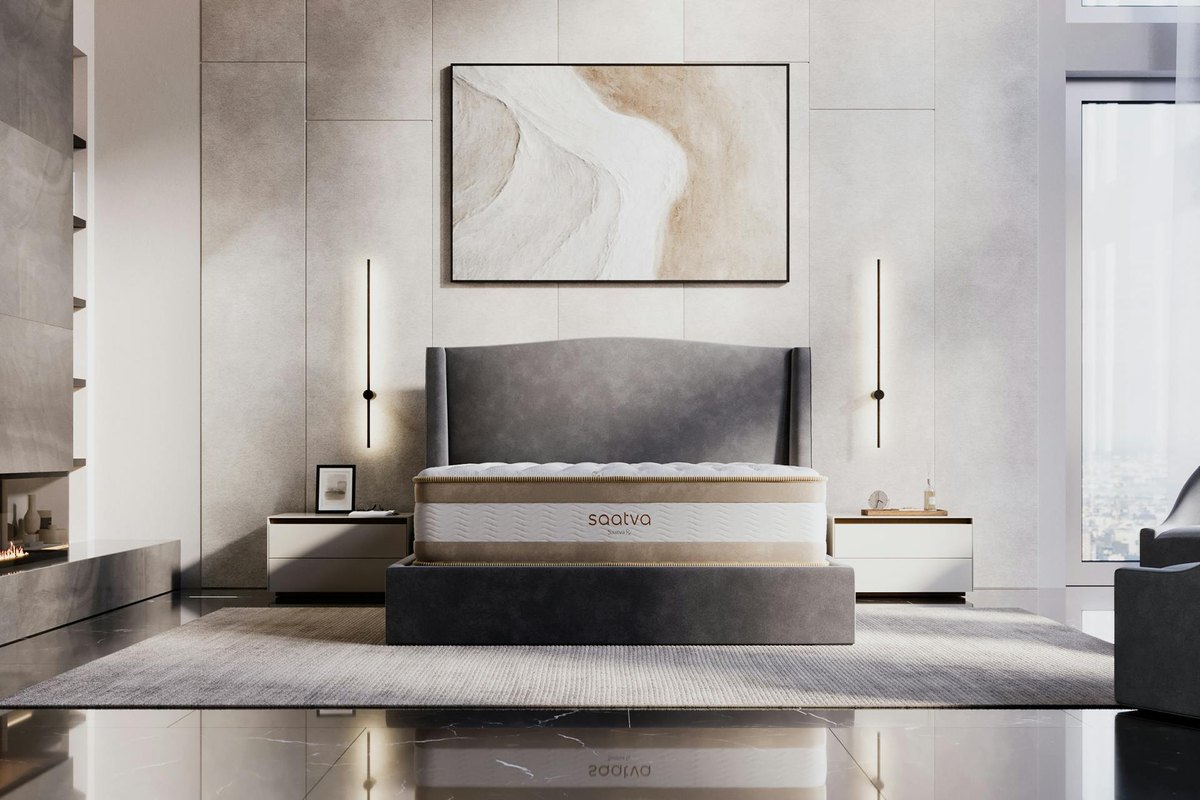
The Saatva RX was designed from the ground up for sleepers coping with chronic back pain, sciatica, and severe joint compression. In our testing, its proprietary Therapeutic Support Core—which nests responsive micro-coils inside individual high-density foam caps—drastically out-performed traditional multi-layer foam stacks.
For athletes returning from demanding compound lifting, high-mileage runs, or contact sports, the RX virtually neutralizes peak pressure spots at the hips and paraspinal muscles. It maintains a gentle 6.5 out of 10 medium-firm feel that cradles tender muscle attachments without suffocating your mobility.
2. Saatva Solaire: Best Micro-Adjustable Chamber Bed
Training cycles are rarely static. A peak volume week leaves your muscular system screaming for a plush, cradling surface, whereas active deload weeks often require firm lumbar stabilization. The Saatva Solaire accommodates these shifting demands through vulcanized air chambers offering 50 discrete firmness options.
Dual chambers in the larger sizes let each partner dictate their own recovery protocol without compromise. Underneath the top-grade Talalay latex and gel memory foam layers, air chambers adjust whisper-quietly, relieving pelvic tension while ensuring the lumbar spine receives rigid reinforcement on demand.
3. Nolah Evolution 15: Best Cooling for Temperature-Sensitive Athletes
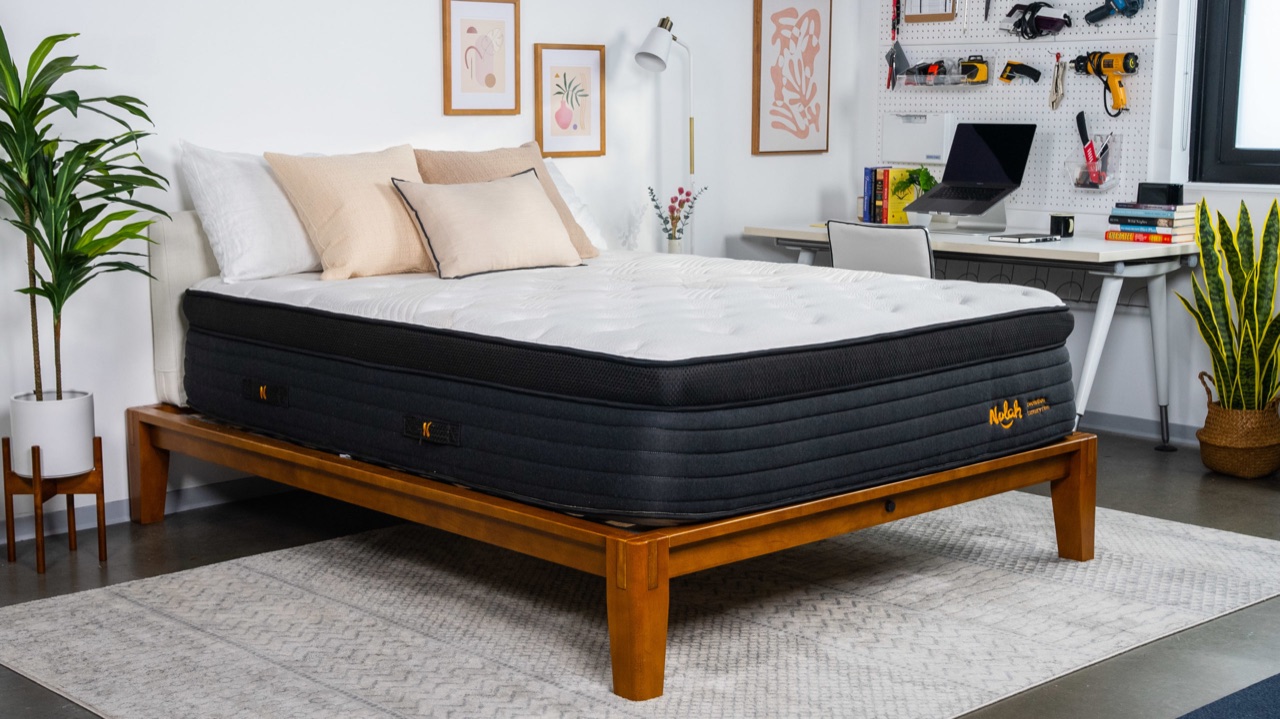
Thermal retention is the fastest way to derail REM and slow-wave sleep. The Nolah Evolution 15 integrates an ArcticTex cover with an ultra-thick layer of graphite-infused AirFoam. In our thermal imaging trials, the sleep surface stabilized at 86.4°F—well beneath our 90°F lab cutoff for heat-retentive beds.
Beyond cooling, the 8-inch zoned coil perimeter supports the thoracic spine and prevents the heavy midsection from bowing. Because the mattress measures a substantial 15 inches tall, you will want to consult our deep-pocket fitted sheets guide to ensure proper bedding fitment.
4. Helix Midnight Luxe: Best Zoned Hybrid for Muscular Support
If you are a side or combination sleeper logging high weekly mileage, the Helix Midnight Luxe delivers an ideal blend of cushioning and skeletal bracing. Its targeted pocketed coils are softer beneath the shoulders—relieving impingement on the rotator cuffs—and noticeably firmer beneath the pelvis to keep the lumbar vertebrae aligned.
Equipped with a plush pillow top quilted with high-airflow fibers, the Midnight Luxe prevents surface overheating while offering rapid response times. You can pivot across the surface effortlessly, allowing exhausted legs to rest without feeling trapped in quicksand.
Sleep Foundation and Durability Considerations
Athletes frequently pair heavier bodies with premium, substantial mattresses. An inadequate foundation will lead to premature sagging and sub-optimal spinal ergonomics. Before unboxing, inspect your bed base: explore our guide to slats, platform beds, box springs, and adjustable bases to guarantee the support slats are spaced under 3 inches apart.
Review the manufacturer terms regarding foundation deflection by checking how to read a mattress warranty. Structural impressions greater than 0.75 to 1.5 inches usually signal structural collapse that will actively compromise lumbar health. Always pay close attention to sleep trials and break-in periods; dense support foams take 30 to 45 nights to soften into their intended compliance.
Maximizing Value for Your Training Budget
Investing in physical recovery does not mean overspending. Premium hybrid constructions routinely discount around major holiday shopping events; bookmark our guide on when mattresses go on sale or browse our vetted list of mattress deals and coupons to save significantly on top-tier equipment.
The Final Verdict
For most athletes recovering from rigorous physical workloads, the Saatva RX takes our highest recommendation due to its dedicated active-recovery engineering and exceptional pressure redistribution. If you run hot or favor deep, pressure-free side sleeping, the Nolah Evolution 15 is our pick for thermal dissipation and shoulder protection. Meanwhile, those who alter their conditioning throughout the year will appreciate the programmable resilience of the Saatva Solaire. If you remain undecided on your ideal construction, our Sleep Match Quiz can filter the right balance based on your training volume and biomechanics.
Frequently Asked Questions
Should athletes choose a firm or soft mattress for muscle recovery?
Most athletes benefit from a medium to medium-firm profile (between 6 and 7 out of 10). Purely soft mattresses cause the pelvic girdle to sink too deep, forcing exhausted lower-back muscles into constant nocturnal tension. Conversely, rock-hard mattresses create severe pressure spikes on muscular shoulders and hips, restricting circulation and slowing recovery.
How does sleeping temperature impact athletic recovery?
Stage 3 slow-wave sleep is biologically tethered to a cooling core body temperature. If your mattress traps heat, your cardiovascular system expends energy sweating and shifting positions rather than executing tissue repair, clearing lactic acid, and producing growth hormone.
Can an adjustable bed base help athletic recovery?
Yes. Pairing a supportive hybrid with an adjustable base allows you to rest in the Zero-Gravity position (head and legs elevated slightly above heart level). This posture optimizes venous return, accelerates lymphatic drainage in sore calves and hamstrings, and minimizes compressive load on the lumbar discs.
Jessica Moore, Certified Sleep Science Coach
Jessica has spent 8+ years analyzing biomechanics, pressure relief mapping, and mattress ergonomics. She leads our independent sleep lab in Austin, TX, overseeing thermal, motion, and durability testing.