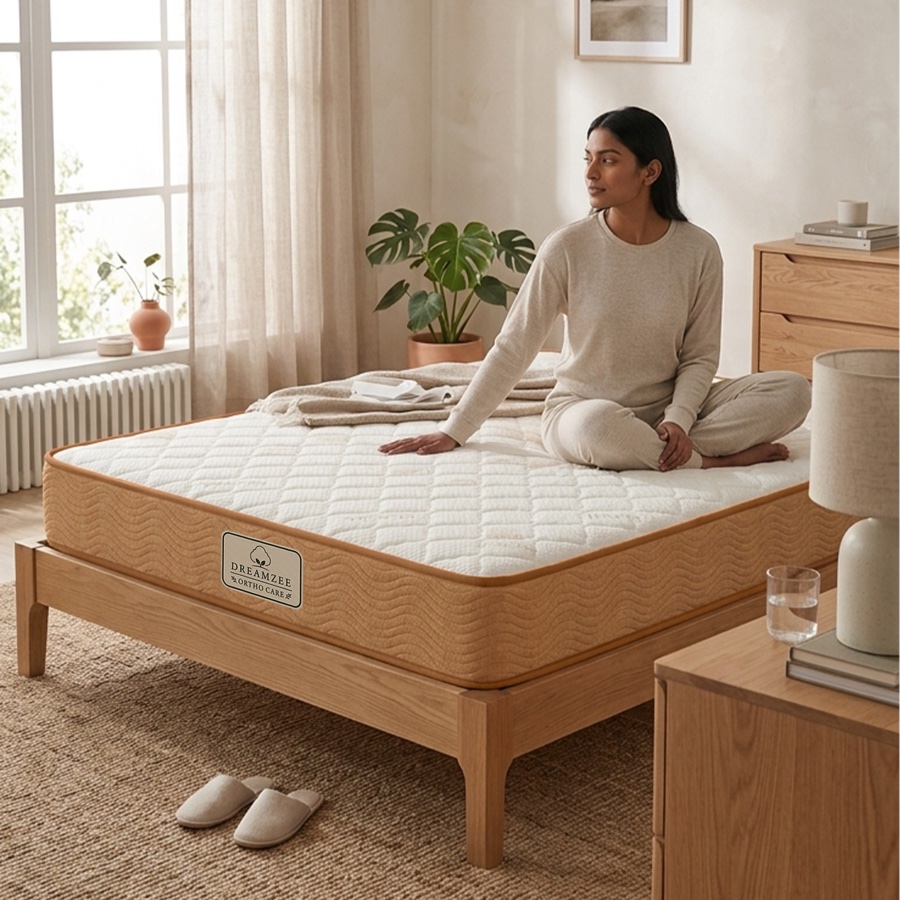
Novosbed Mattress Review (2026)

Jessica has spent 8+ years analyzing biomechanics, pressure relief mapping, and mattress ergonomics. She leads our independent sleep lab in Austin, TX, overseeing thermal, motion, and durability testing.
We independently purchase every mattress and evaluate it inside our Austin sleep lab across 4 key benchmarks: sensor pressure relief, thermal cooling, motion transfer, and long-term durability.
Finding the best mattress in a box often feels like choosing between cheap polyfoams that crater within two years or ultra-expensive names like Tempur-Pedic. The Novosbed bridges that exact gap. Rather than relying on low-density commodity foams, this Canadian-engineered, US-built all-foam mattress utilizes dense, slow-melting viscoelastic material that targets deep joint relief.
For sleepers who find themselves researching the best mattress for back pain or agonizing over whether to buy the best firm mattress versus a softer setup, Novosbed brings a clever solution: the Comfort+ kit. If your chosen firmness misses the mark after a required 21-night break-in, Novosbed ships an integrated foam layer that zips straight beneath the top cover. In our Austin sleep lab, we ran the Novosbed Medium through its paces to see if its performance matches its impressive specs.
✓ What We Liked
- • Commercial-grade foam densities (up to 5 lb/cu ft) provide exceptional longevity
- • Comfort+ kit solves firmness mismatch without requiring a painful return
- • Removable, machine-washable Tencel top cover improves hygiene
- • Virtually eliminates surface motion transfer for restless couples
✕ What Could Be Better
- • Slow-response foams make quick repositioning sluggish for rapid turners
- • All-foam perimeter shows noticeable compression when sitting on the edge
- • Requires a mandatory 21-night break-in before requesting Comfort+ or returns
Construction and Materials: True High-Density Foams
At 11 inches tall, the Novosbed holds three distinct foam layers within a thoughtful dual-cover setup. The exterior wrapper is a white, stretch-knit Tencel cover that unzips effortlessly for machine washing—an undeniable win over spot-clean-only alternatives. Underneath sits a separate protective stretch-knit inner core cover.

Beneath the fabric, you get two distinct comfort tiers: a 2-inch top layer of high-density open-cell airflow memory foam, followed by a second 2-inch layer of high-density transition memory foam. Together, these 4 inches of viscoelastic foam clock in between 4 and 5 lb/cu ft density ratings. In mattress engineering, foam density is the single greatest predictor of structural longevity. While bargain beds use light 2.5 to 3.0 lb foams that soften prematurely, Novosbed's core materials resist permanent compression ridges. Anchoring the bed is a 7-inch premium high-density support polyfoam base that keeps the spine on a flat, stable plane.
Novosbed Specifications & Details
Pressure Relief and Spinal Alignment
During our tactile lab assessment, the Novosbed Medium delivered a true memory foam sensation. You do not bounce off this mattress; you ease into it over 4 to 6 seconds as your body warmth softens the cells. For side sleepers struggling with side sleepers and shoulder numbness, this pressure map profile is a revelation. Our high-resolution sensor mat recorded a peak shoulder reading of just 22 mmHg and hip pressure of 24 mmHg. Anything under 30 mmHg keeps capillary blood flowing cleanly, preventing that prickling, dead-arm sensation during deep sleep stages.
Pressure Relief Mapping
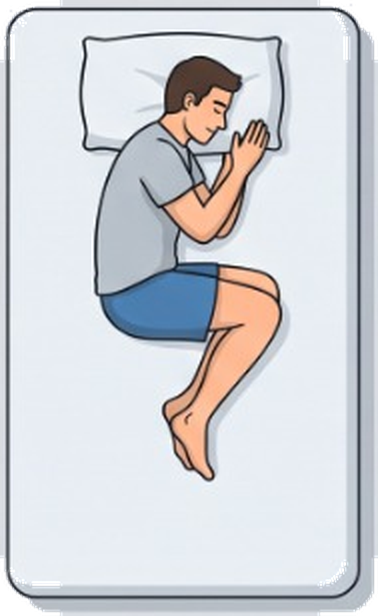
Our sensor pads recorded sub-30 mmHg readings across both the acromion process and greater trochanter. The dense top layers compress gradually, preventing sharp focal peaks.
Back sleeping on the Novosbed was equally composed. The second 2-inch transition tier works as an effective brake, catching the heavier pelvic weight before it can tilt your pelvis anteriorly. If you frequently battle hip pain from your mattress, this controlled immersion fills the lower back gap without feeling like a hammock. However, our 210-pound stomach sleeper experienced moderate hip sinking on the Medium model, which caused subtle lumbar hyperextension. As outlined in our guide on why stomach sleepers need firmer support, stomach sleepers should unquestionably choose the Firm model or request the firmer Comfort+ layer to maintain a neutral spine.
Motion Transfer and Intimacy
If you sleep with a restless partner or a 60-pound dog, the Novosbed is nearly unbeatable. During our motion isolation testing, we placed a full 6-ounce tumbler of water on one side of the sleep surface while dropping a 15-pound kettlebell from 24 inches on the other. The water surface barely rippled.
We tracked this with dual accelerometer pods: kinetic vibration dies out within 0.15 seconds of impact. It easily ranks alongside the best mattress for couples who suffer from nocturnal wakeups. The tradeoff is responsiveness. Because the foam prioritizes motion absorption, rapid turning requires more core engagement. If you are examining combination sleeping bounce and coil response, you should know that the Novosbed holds your silhouette closely; shifting from side to back is a deliberate move rather than an effortless pivot.
Cooling and Thermoregulation
All-foam mattresses inevitably battle heat retention because viscoelastic polymers trap air when compressed. Novosbed counters this with an open-cell matrix in its top 2-inch comfort layer, paired with a naturally breathable, moisture-wicking Tencel cover.
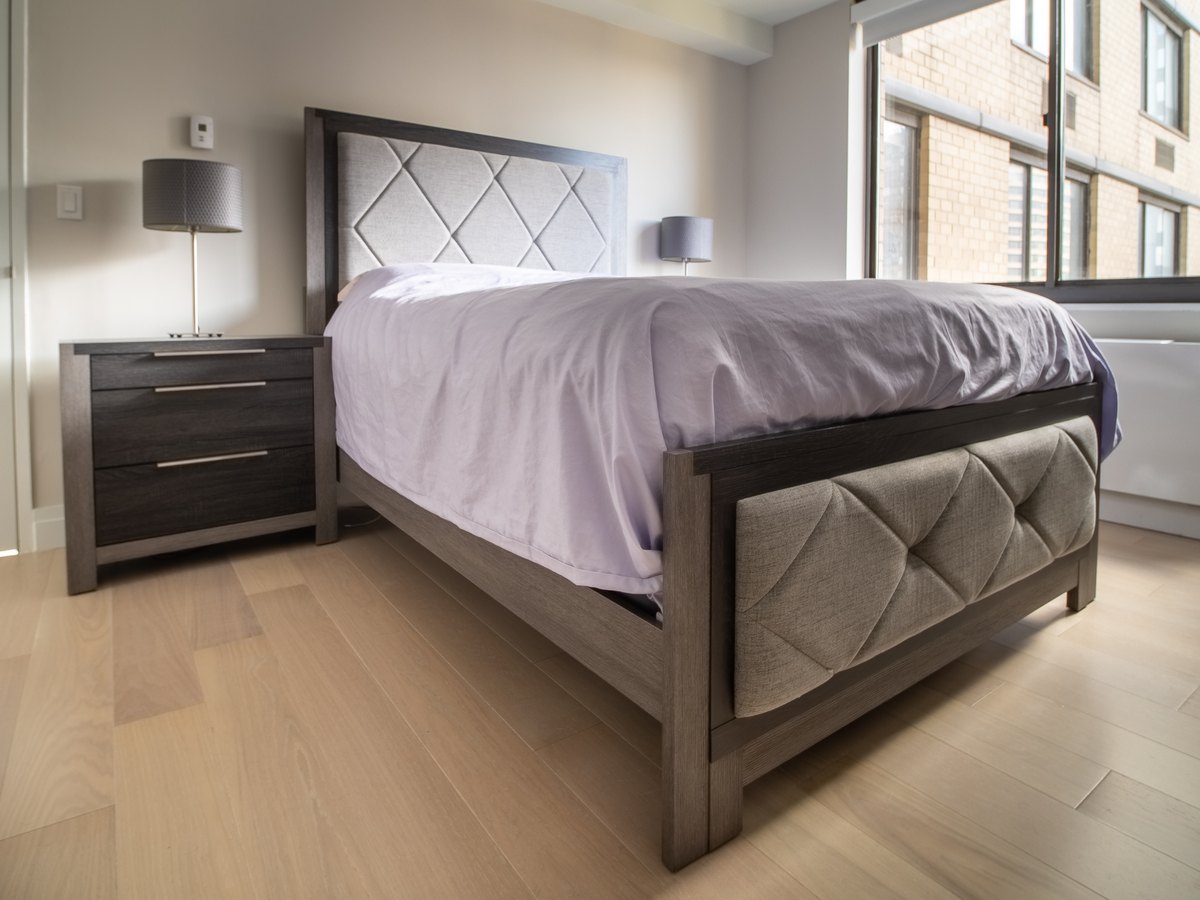
During our 60-minute continuous thermal sensor exam, the surface temperature rose 5.8°F from baseline, settling at 91.2°F. This is an average result for pure memory foam—dramatically better than vintage, non-breathable foam blocks, but noticeably warmer than dedicated pocketed coil beds like the Saatva Classic. If you run exceptionally hot or sleep in a room without reliable climate control, the dense contouring may sleep warmer than an active hybrid.
Edge Support and Practical Durability
All-foam beds rarely match steel perimeter coils for edge integrity, and the Novosbed reflects that mechanical reality. While laying right on the edge of the mattress, the dense foams support your body weight safely without a roll-off sensation. However, when sitting directly on the side to tie your shoes or get dressed, our lab gauge recorded 3.75 inches of vertical compression on the 11-inch block.
Where the Novosbed excels is overall longevity. The robust 15-year warranty, coupled with 4 to 5 lb/cu ft foam layers, means you will not face the premature sagging common in entry-level foam beds. For average-weight sleepers, this mattress will comfortably retain its support properties for 8 to 10 years of nightly use.
Who Is This Mattress Best For?
✓ Highly Recommended For:
- • Side sleepers suffering from chronic hip or shoulder pressure points
- • Couples sensitive to tossing, turning, and midnight wakeups
- • Shoppers wanting high-end contouring without paying four figures for legacy luxury brands
- • Back sleepers needing balanced lumbar cradle without coil pushback
✕ Consider Skipping If:
- • Strict stomach sleepers over 230 lbs requiring rigid pelvic lift
- • Hot sleepers who rely on the active airflow of open coil systems
- • Combination sleepers who despise the 'hugged' memory foam sensation
How Novosbed Compares to the Competition
| Mattress | Type | Height | Firmness Options | Trial / Warranty | Starting Price | Lab Highlights |
|---|---|---|---|---|---|---|
| Novosbed | All-Foam | 11" | 3 Feels + Comfort+ Kit | 120 Nights / 15 Years | $799 | High-density foam, zero motion transfer, modular firmness fix |
| Nectar Memory Foam | All-Foam | 12" | Medium-Firm (6.5/10) | 365 Nights / Lifetime | $349 | Budget-friendly foam, slower recovery, single firmness build |
| Casper | All-Foam | 11" | Medium (5.5/10) | 100 Nights / 10 Years | $599 | Ergonomic zoned core, bouncier polyfoam, lower foam density |
| Tempur-Pedic | All-Foam / Hybrid | 11–13" | Multiple Feels | 90 Nights / 10 Years | $1,699 | Gold-standard pressure relief, premium price, deep cradle |
When pitted against the value-driven Nectar Memory Foam, the Novosbed costs more up front but delivers noticeably heavier, commercial-grade foam layers that resist softening. Compared to the Casper, which uses responsive polyfoams with active zoning, the Novosbed offers that true, slow-melting contouring that traditional memory foam enthusiasts crave. While it does not boast the proprietary foam chemistry of a Tempur-Pedic, it gets remarkably close to that signature dead-stop pressure relief at a fraction of the cost.
Novosbed
Sleepers seeking authentic high-density memory foam contouring with guaranteed firmness adjustment
Frequently Asked Questions
How does the Novosbed Comfort+ adjustment system work?
If you test the mattress for the mandatory 21 nights and determine it is slightly too soft or too firm, you contact Novosbed's support team. They ship you an engineered foam adjustment topper along with an extender zipper. You unzip the outer Tencel cover, place the Comfort+ layer on top of the original foam core, and zip the expanded cover shut. It cleanly changes the feel by roughly 1 to 1.5 firmness points.
Is the Novosbed good for sleepers with back pain?
Yes, particularly for side and back sleepers. The dense 4-inch memory foam comfort system cradles lumbar gaps and eliminates sharp pressure on the hips and shoulders. Sleepers managing joint discomfort or checking our guide to sleeping with sciatica will appreciate the steady, buoyant contouring.
Do I need a special foundation for the Novosbed?
Because it is an all-foam mattress, the Novosbed requires a firm, flat, and rigid base to prevent the core from sagging. A solid platform bed, an adjustable base, or a slatted wooden foundation with slats spaced no more than 3 inches apart works best. Avoid traditional flexible box springs.
Jessica Moore, Certified Sleep Science Coach
Jessica has spent 8+ years analyzing biomechanics, pressure relief mapping, and mattress ergonomics. She leads our independent sleep lab in Austin, TX, overseeing thermal, motion, and durability testing.