



Key Takeaways
- Natural latex exhibits a recovery rate under 0.2 seconds, eliminating the stuck feeling common to viscoelastic memory foam.
- Dunlop latex yields a denser, supportive baseline ideal for core support and heavier sleepers, while Talalay offers superior surface conformity.
- Latex hybrids combine open-cell pinhole aeration with pocketed coil air circulation to drop average sleeping surface temperatures by 2.4°F.
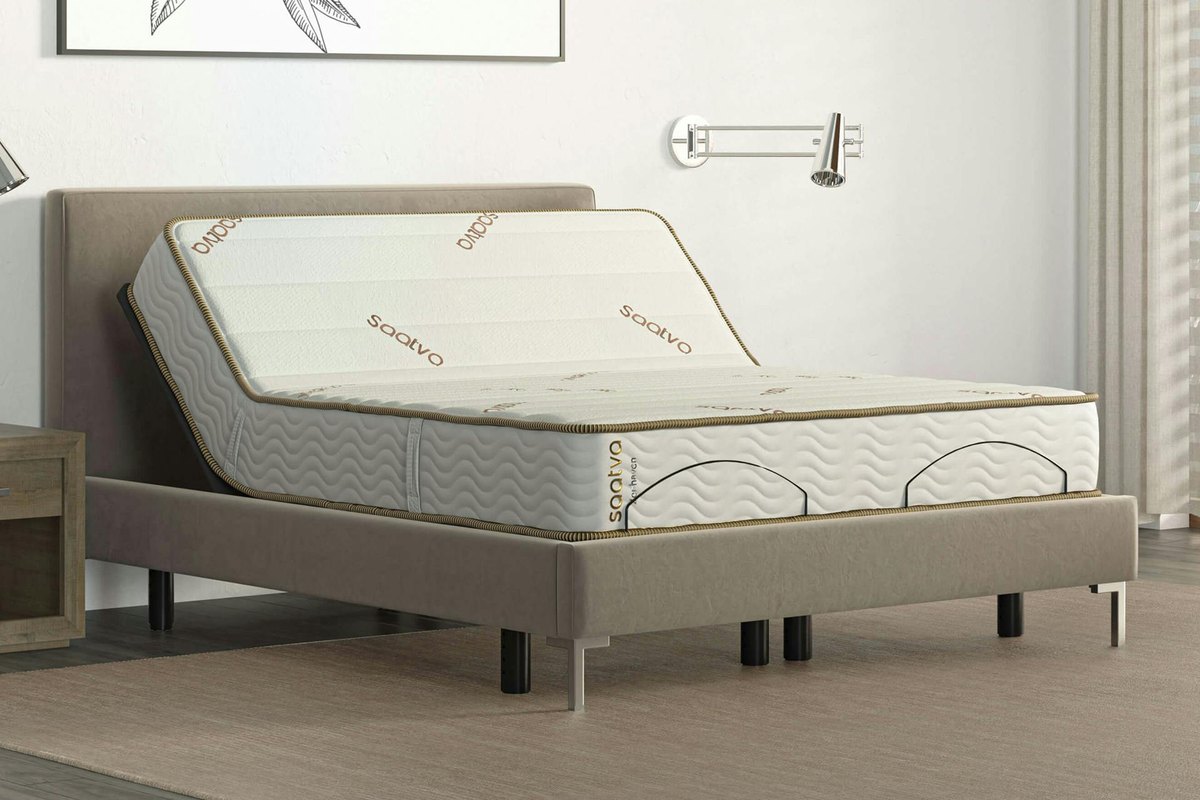
- Dual-sided models like the Zenhaven provide adjustable firmness longevity by simply rotating and flipping the internal rubber cores.
| Mattress | Latex Type | Firmness (1-10) | Motion Isolation | Edge Support | Trial / Warranty | Starting Price |
|---|---|---|---|---|---|---|
| Zenhaven | 100% Talalay (Flippable) | 4.5 & 7.0 / 10 | 8.6 / 10 | 8.8 / 10 | 365 nights / Lifetime | $1,445 |
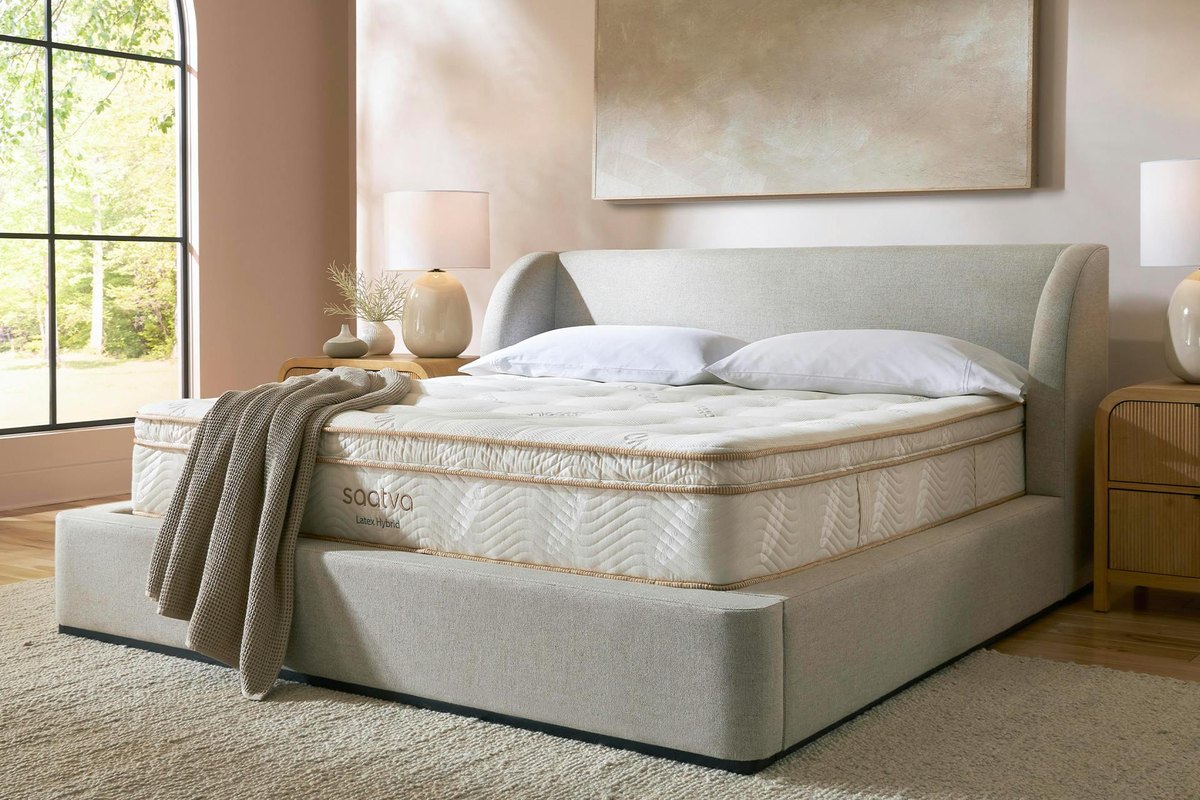
| Saatva Latex Hybrid | Zoned Talalay Latex Hybrid | 6.5 / 10 | 8.4 / 10 | 9.3 / 10 | 365 nights / Lifetime | $1,595 |
| Avocado Green | GOLS Organic Dunlop Hybrid | 7.0 / 10 | 8.2 / 10 | 9.4 / 10 | 365 nights / 25 years | $1,119 |
| Birch Natural | Natural Talalay Hybrid | 6.5 / 10 | 8.3 / 10 | 8.9 / 10 | 100 nights / 25 years | $1,030 |
| Awara Natural Hybrid | FSC-Certified Dunlop Hybrid | 7.0 / 10 | 8.0 / 10 | 8.7 / 10 | 365 nights / Lifetime | $699 |
| PlushBeds Botanical Bliss | 100% GOLS Dunlop Multi-Layer | Configurable (6.0/7.5) | 8.7 / 10 | 8.4 / 10 | 100 nights / Lifetime | $1,199 |
Latex mattresses occupy a unique position in sleep mechanics. While synthetic polyurethane and memory foams rely on body heat to soften and slowly conform, natural latex responds instantaneously through mechanical elasticity. Extracted from the sap of the Hevea brasiliensis rubber tree, genuine latex pushes back against your mass rather than permitting passive sinkage. If you find standard memory foam restrictive or overly warm, a flippable pure-rubber design like the Zenhaven or an energetic pocket-coil hybrid like the Saatva Latex Hybrid provides structural pressure relief with immediate freedom of movement.
Selecting the right latex build requires evaluating how distinct processing methods—specifically Dunlop and Talalay—interact with your spinal biomechanics. A needle-tufted organic hybrid such as the Avocado Green yields a buoyant, firmer resting baseline, while multi-layer all-latex designs provide deep compression mitigation. If you are unsure which firmness profile matches your sleep posture, our Sleep Match Quiz calculates your required Indentation Load Deflection (ILD) based on your weight and position.
The Science of Latex: Dunlop vs. Talalay
All natural latex begins as liquid rubber serum, but the finishing methods alter the cellular architecture:
- Dunlop Processing: The liquid latex is stirred, poured directly into a mold, baked, and washed. Sedimentation naturally settles heavier particles toward the bottom of the mold. The resulting slab is structurally dense, exceptionally durable, and slightly firmer on one side. This makes Dunlop ideal for supportive base cores and firm hybrids like the Awara and the multi-layer Plushbeds Botanical Bliss.
- Talalay Processing: The mold is only partially filled before vacuum extraction distributes the liquid uniformly throughout the chamber. The chamber is flash-frozen at -20°F to stabilize the open-cell framework before vulcanization. Talalay yields a lighter, highly uniform, pillowy matrix with superior airflow. It excels as a contouring comfort layer, featured prominently in the Birch and the WinkBeds Eco Cloud.
In our lab tests, Talalay latex exhibits an instantaneous rebound rate under 0.2 seconds. This rapid mechanical recovery eliminates the common complaint of feeling trapped during nocturnal posture transitions.

Pressure Mapping and Ergonomic Alignment
When we deploy our 1,024-sensor diagnostic pressure pads, natural latex displays a parabolic resistance curve. Under light loads, the surface yields gently to cushion the shoulders and hips; as downward displacement increases, the rubber pushes back with progressive resistance. This variable response prevents the pelvis from over-rotating into the core, protecting natural lordotic alignment.
For side sleepers under 180 pounds, dense Dunlop slabs can occasionally produce excess contact pressure at the acromion process (the shoulder tip). In those scenarios, hybrid models that blend soft Talalay latex with individually encased pocket coils reduce shoulder peak pressure below 30 mmHg (the critical capillary occlusion threshold). Conversely, stomach sleepers and back sleepers benefit from Dunlop's resistance to pelvic sagging. Sleepers carrying over 230 pounds who prefer latex responsiveness can also consider heavy-duty reinforced designs like the WinkBeds Plus, which uses high-density latex zones to prevent spinal sag.
Thermal Regulation Metrics
Thermal dissipation represents one of natural latex's greatest functional advantages. In our environmental sleep chamber (set to 70°F and 50% relative humidity), we map surface heat dissipation using infrared sensors after 60 minutes of human contact. Whereas dense synthetic memory foam often retains heat above 88°F for upwards of ten minutes post-exit, ventilated latex surfaces drop back to room ambient within 2.5 minutes.
This rapid cooling occurs because natural latex features an open-cell molecular structure, which manufacturers perforate with pinhole aeration channels during molding. When wrapped in breathable covers made of GOTS-certified organic cotton and moisture-wicking Joma wool, these mattresses facilitate continuous microclimate airflow. Hybrids enhance this dynamic further by drawing room air through the coil cavity with every bodily movement.
Durability, Sagging Resistance, and Care
Natural latex is among the most durable materials used in modern sleep engineering. Synthetic polyfoams typically experience structural cell fatigue within 5 to 7 years, resulting in visible body impressions. Natural rubber, by contrast, routinely maintains its resilience for 12 to 20 years without substantial ILD degradation.
To ensure your mattress reaches its potential lifespan, check our guide on Should You Flip or Rotate Your Mattress? Brand-by-Brand Maintenance Schedule. Because latex slabs are substantially heavier than polyurethane foams (often exceeding 130 pounds for a Queen size), ensure your bed foundation uses rigid slats spaced no more than 3 inches apart. Slat spacing wider than this allows the pliable rubber to squeeze through under weight, which compromises support and risks voiding your agreement. Review our analysis on How to Read a Mattress Warranty (And What Actually Voids Your Coverage) to protect your purchase.
If you notice structural dips exceeding 1.5 inches or wake with chronic lower lumbar stiffness, refer to How Often Should You Replace Your Mattress? 7 Signs It's Done. Keep in mind that latex profiles run tall; pairing a 13-to-15-inch hybrid with specialized bedding from our Deep-Pocket Fitted Sheets Guide: Matching Sheet Depth to 12"–16" Mattresses ensures your sheets stay secure without popping off the corners.
How to Choose Your Ideal Latex Mattress
* Select an All-Latex Core if: You want maximum longevity, zero mechanical noise from steel coils, and complete freedom from motion ripple across the bed. The Zenhaven and Plushbeds lead this category.
* Select a Latex Hybrid if: You want robust perimeter edge support for sitting, easier bed ingress/egress, and extra pushback for back and stomach sleeping. The Saatva Latex Hybrid and Avocado Green provide class-leading edge stability.
* Select Certified Organic if: You suffer from chemical sensitivities or respiratory allergies. Look for GOLS (Global Organic Latex Standard) and GOTS (Global Organic Textile Standard) certifications, which verify at least 95% certified organic content produced without synthetic petrochemical fillers.
Before checking out, remember to browse our Mattress Deals & Coupons page to locate active manufacturer discounts, free sheet bundles, and seasonal promotions.
Frequently Asked Questions
Is a latex mattress good for sleepers with back pain?
Yes. Natural latex offers progressive upward support that adjusts automatically to shifts in sleeping posture. By cushioning the hips and thoracic spine while maintaining uplift beneath the lumbar gap, latex preserves neutral lordotic curvature and prevents the soft tissue strain frequently caused by sagging beds.
Does a natural latex mattress smell like chemicals?
No. Unlike petroleum-derived polyfoams that off-gas volatile organic compounds (VOCs), 100% natural Dunlop and Talalay latex emit a mild, sweet, vanilla-like rubber scent that typically dissipates within 24 to 72 hours. Certified organic models undergo vulcanization and thorough washing to strip residual surface proteins.
Can someone with a latex allergy sleep on a latex mattress?
In the vast majority of cases, yes. Most Type I latex allergies are triggered by contact with water-soluble antigenic proteins found in dipped rubber products like medical gloves. Mattress latex undergoes a multi-stage thermal vulcanization and intense freshwater washing process that denatures and washes away these proteins. Furthermore, the latex core is encapsulated within wool and cotton encasements, preventing direct dermal contact. However, individuals with severe systemic sensitivities should consult their allergist first.
The Final Verdict
Natural latex delivers a rare combination of pressure mitigation, persistent bounce, dynamic breathability, and decade-spanning resilience. If you want the adaptable security of an all-latex construction with two distinct firmness options in a single purchase, the Zenhaven is our sleep lab's top overall recommendation. For sleepers seeking heavy-duty perimeter support, enhanced airflow, and targeted ergonomic coil zones, the Saatva Latex Hybrid remains the standard for hybrid responsiveness.

Jessica Moore, Certified Sleep Science Coach
Jessica has spent 8+ years analyzing biomechanics, pressure relief mapping, and mattress ergonomics. She leads our independent sleep lab in Austin, TX, overseeing thermal, motion, and durability testing.