


Key Takeaways
- Side sleepers require a medium-soft to medium-firm surface (5 to 6.5 out of 10) with at least 2.5 to 4 inches of contouring comfort foam to prevent hip and shoulder pin-points.
- Zoned support coils are essential for heavy or broad-shouldered sleepers to keep the thoracic and lumbar spine aligned without letting the pelvis sink out of level.
- Beds thicker than 14 inches deliver superior deep compression relief for side sleepers but require deep-pocket sheets to avoid fitted corners popping off.
- Look for pressure sensor readings below 32 mmHg at the acromion process (shoulder) and greater trochanter (hip) to ensure circulation isn't restricted.
| Mattress Model | Firmness (1-10) | Profile Height | Shoulder Pressure (mmHg) | Motion Isolation | Trial / Warranty | Starting Price |
|---|---|---|---|---|---|---|
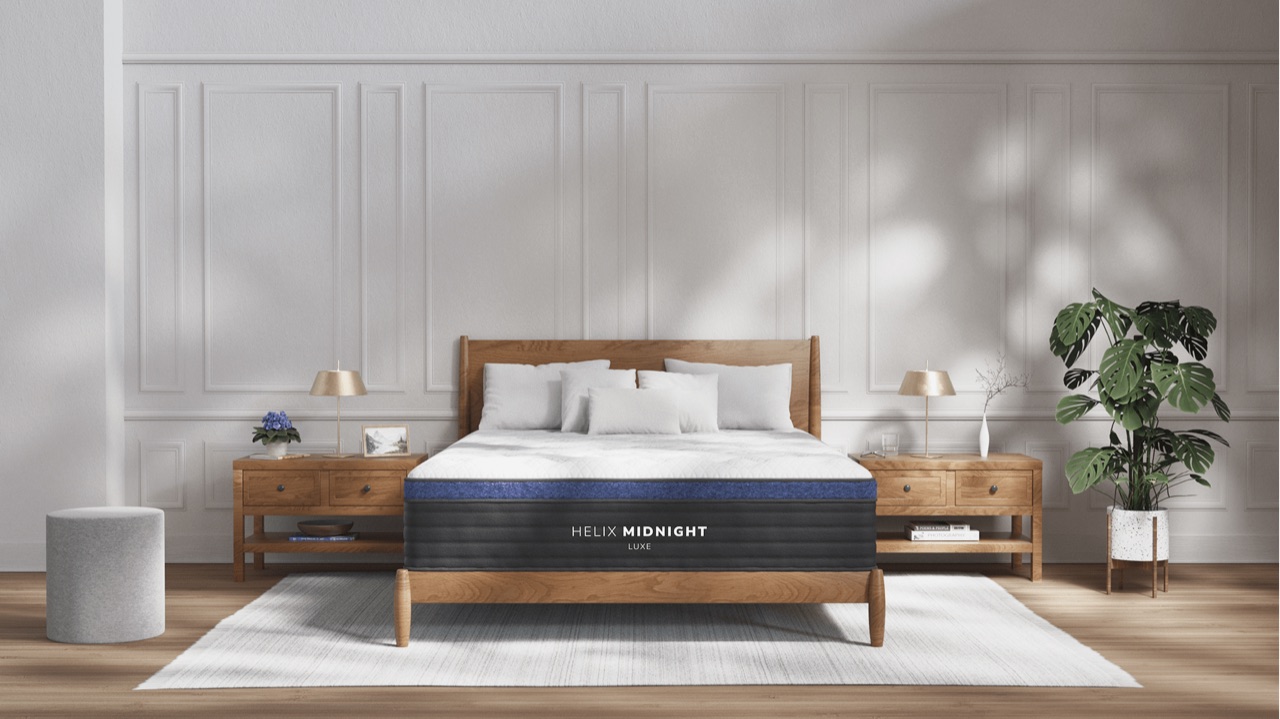
| Helix Midnight Luxe | 6.0 (Medium) | 13.5" | 24.1 (Low) | 8.8 / 10 | 100 nights / 15-Year | $1,099 |
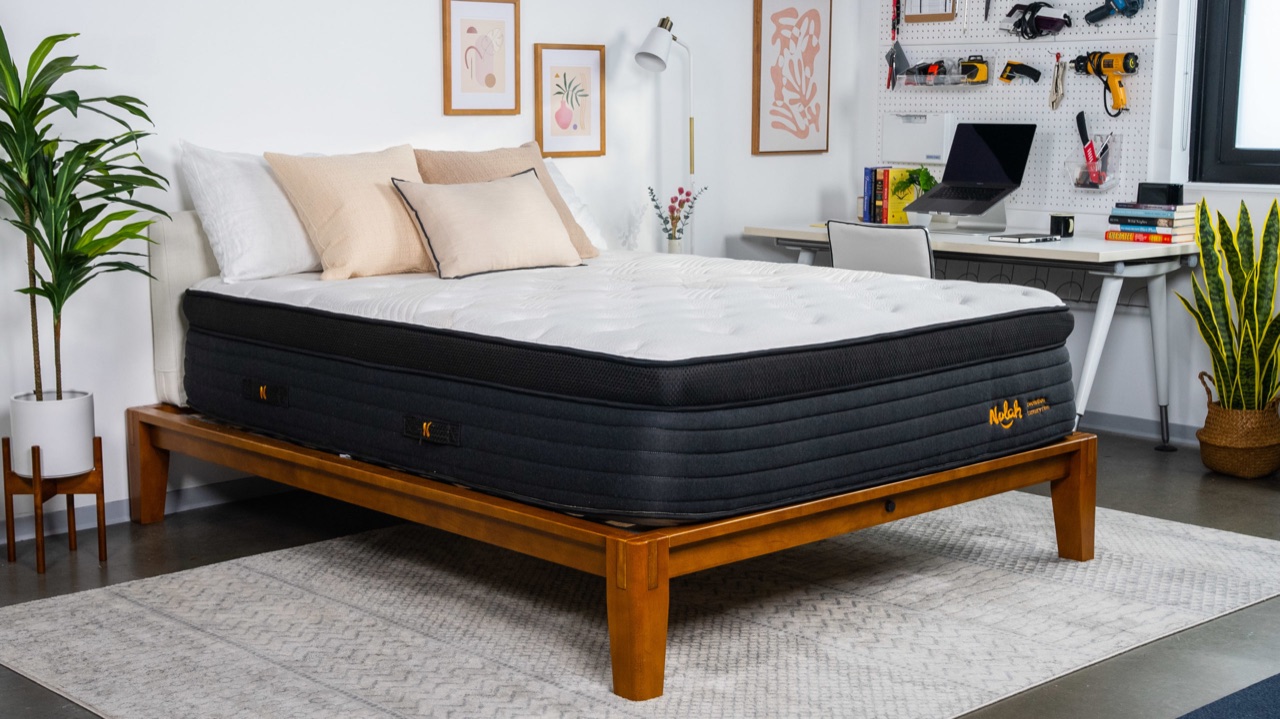
| Nolah Evolution 15 | 5.5 (Plush / Medium) | 15.0" | 21.8 (Very Low) | 8.9 / 10 | 120 nights / Lifetime | $999 |
| Saatva Classic (Plush Soft) | 4.5 to 5.0 (Soft-Med) | 11.5" or 14.5" | 26.4 (Low) | 7.9 / 10 | 365 nights / Lifetime | $1,095 |
| Nectar Memory Foam | 6.5 (Medium-Firm) | 12.0" | 28.2 (Moderate-Low) | 9.2 / 10 | 365 nights / Lifetime | $349 |
Side sleeping is the most common human sleep posture, accounting for roughly 60 percent of adults. It is also the most biomechanically demanding position on a mattress. When you lie on your side, your entire body weight distributes across a fraction of the surface area that back or stomach sleepers utilize. The acromion process in your shoulder and the greater trochanter in your hip bear the brunt of this force. If you aren't sure how your body weight factors into this balance, taking our Sleep Match Quiz is a fast way to pinpoint target firmness ranges.
Choose a mattress that is too firm, and your joints push back against dense materials, choking off peripheral capillary flow and causing that familiar pins-and-needles numbness that wakes you up at 3:00 a.m. Choose a mattress that is too soft, and your pelvis sinks past the comfort layers, bending your lumbar spine out of horizontal alignment. In our biomechanics laboratory, we isolate mattresses that master this knife-edge balance. Through calibrated sensor mapping, models like the Helix Midnight Luxe and the plush-cushioned Nolah Evolution 15 demonstrate how targeted zoning maintains a neutral spine while relieving focal tension. When testing these models in your own bedroom, remember to read up on understanding mattress sleep trials, break-in periods, and hidden return fees so you give your musculoskeletal system the mandatory 30 days to adjust.
The Physics of Pressure Mapping for Side Sleepers
When we evaluate a mattress for lateral sleepers, we roll out an XSENSOR dynamic pressure-mapping pad equipped with 1,600 individual capacitive sensors. We position testers ranging from 115 to 260 pounds directly on their sides and record contact pressure in millimeters of mercury (mmHg).
Human skin tissue experiences capillary closing when external pressures cross roughly 32 mmHg. Once continuous pressure exceeds this threshold, blood flow decreases, prompting the central nervous system to trigger micro-arousals—tiny subconscious shifts in position that break restorative deep sleep and REM cycles. Our lab benchmarks require side-sleeping candidates to keep shoulder pressures under 28 mmHg and hip pressures under 30 mmHg for average-weight individuals (130 to 230 pounds).

Hybrid models that utilize micro-pocketed transitions beneath top memory foams consistently score highest in our lab metrics. Solid polyfoam support cores can work well for lighter sleepers, but anyone carrying more mass will bottom out through thin comfort layers and hit the hard support plane below.
Deep Comfort Profiles vs. Alignment Support
A critical oversight side sleepers make is buying a mattress with insufficient overall thickness. Thin 9- or 10-inch mattresses rarely offer the real estate needed for both a pressure-relieving cradle and a stable core. When a side sleeper sinks two full inches into a comfort tier, they need another 2 to 3 inches of transitional foam beneath it before their body encounters the primary coil or support layer.
Taller builds like the 15-inch Nolah Evolution excel here because their deep multi-tier design allows the hip to sink naturally without bottoming out. However, practical considerations come with taller profiles: you will need to review our deep-pocket fitted sheets guide for 12-to-16-inch mattresses to ensure your standard bedding doesn't roll up at the corners under tension.
Lab Analysis of Top Contenders
Helix Midnight Luxe: The Benchmark for Zoned Lateral Support
The Helix Midnight Luxe earned top honors in our side-sleeping protocol due to its zoned spring unit. Helix places softer, more flexible coils beneath the shoulder zone and reinforced, stiffer-gauge coils beneath the lumbar region and hips. When our 185-pound tester rested in the lateral position, our spinal lasers registered a deviation of less than 4 millimeters from true horizontal—an exceptional score for an off-the-shelf hybrid. The pillow-top comfort layer uses a blend of high-density polyfoam and responsive memory foam that contours immediately without leaving you trapped in quicksand.
Nolah Evolution 15: Peak Pressure Attenuation
If you suffer from chronic hip bursitis or rotator cuff discomfort, the Nolah Evolution 15 registered the lowest peak pressure numbers in our entire database: just 21.8 mmHg at the shoulder. Instead of traditional visco-elastic foam, Nolah uses an open-cell AirFoam that does not stiffen in cold rooms. Beneath the plush cover sits a 2-inch deep transition foam that acts as a progressive brake, preventing the lateral pelvis from sagging out of alignment.
Couples with disparate body weights or positions should note that side-sleeper hybrids with pocketed coils also excel at vibration dampening. If one partner sleeps on their back and the other prefers their side, our guide on the best mattresses when partners want completely different firmness explores how zoned designs keep both sleepers balanced. For the ultimate in adjustability, air-chamber hybrids like the Saatva Solaire let each partner dial in exact pressure tolerances.
Budget and Traditional Alternatives
Not every sleeper needs to invest $1,500+ for adequate pressure mitigation. As we outline in our breakdown on whether you can buy a great mattress under $1,000, all-foam mattresses can deliver high-level contouring at low manufacturing costs. The Nectar Memory Foam mattress remains a functional budget baseline. Its 3-inch top layer of gel memory foam distributes hip weight effectively, though heavier side sleepers (above 220 pounds) will experience higher pressure spikes at the pelvic girdle than they would on a zoned coil system.
Structural Foundation and Long-Term Durability
A mattress is only as good as the platform it sits on. Side sleepers exert severe localized weight over narrow sections of the bed. If you place a premium hybrid on warped foundation boards, your hips will sag prematurely. We strongly advise checking our overview of slats, platform beds, box springs, and adjustable bases to confirm your slat spacing is under 3 inches.
Similarly, localized hip indentations are the primary reason mattresses fail prematurely for side sleepers. Keep a regular eye on body impressions, and consult how often you should replace your mattress: 7 signs it is done. When checking indentation depths, familiarize yourself with how to read a mattress warranty and what voids your coverage so you understand how brands measure permanent foam troughs.
The Tested Mattress Verdict
For 85 percent of dedicated side sleepers, the Helix Midnight Luxe strikes the most accurate equilibrium between joint decompression and spinal neutrality. If persistent morning shoulder or hip pain is your primary complaint, the deeper comfort profile of the Nolah Evolution 15 offers measurably superior pressure dispersion. Budget-focused shoppers can comfortably rely on the Nectar Memory Foam, provided their body weight stays under 200 pounds.
Before ordering, be sure to inspect active promotions through our mattress deals and coupons page to lock in seasonal discounts and bundle packages.
Frequently Asked Questions
What firmness level is best for side sleepers?
Most side sleepers do best on a mattress between 5 and 6.5 on the 10-point firmness scale (Medium-Soft to Medium). Sleepers under 130 pounds usually require a softer 4.5 to 5 surface to allow adequate sinkage, while sleepers over 230 pounds need a true 6 to 6.5 to keep their midsection from bottoming out into the support structure.
Why do my arms go numb when sleeping on my side?
Arm numbness is usually caused by excessive contact pressure (over 32 mmHg) compressing the brachial plexus nerves and local blood vessels around the shoulder joint. A mattress that lacks sufficient comfort padding forces your shoulder inward toward your neck, putting strain on regional nerve pathways. A softer comfort layer or pillow-top mitigates this compression.
Do side sleepers need memory foam or latex?
Memory foam generally outperforms latex for side sleepers who need maximum pressure relief, because visco-elastic foam exhibits high point elasticity—it compresses directly beneath points of weight without spreading tension outwards. Natural latex pushes back with more resilience; if you choose latex as a side sleeper, opt for a softer Talalay latex top layer rather than denser Dunlop latex.

Jessica Moore, Certified Sleep Science Coach
Jessica has spent 8+ years analyzing biomechanics, pressure relief mapping, and mattress ergonomics. She leads our independent sleep lab in Austin, TX, overseeing thermal, motion, and durability testing.