



Key Takeaways
- Traditional open-coil units offer superior ventilation but transfer motion; modern pocketed steel systems isolate movement while maintaining active bounce.
- Coil gauge dictates longevity: lower numbers (13–14 gauge) provide firmer, heavy-duty support, whereas higher numbers (15–16 gauge) deliver pliable contouring.
- Edge-to-edge perimeter coils consistently outperform foam encasements in long-term structural resilience and perimeter seating support.
- True innersprings with dual-coil configurations require flat, rigid foundations to prevent sagging and voiding manufacturer warranties.
| Mattress | Construction Type | Firmness Options | Coil System | Edge Support (0-10) | Cooling Score (0-10) | Trial / Warranty |
|---|---|---|---|---|---|---|
| Saatva Classic | Dual-Coil Innerspring Euro Top | Plush Soft, Luxury Firm, Firm | 13-gauge tempered base coils + 14.5-gauge pocketed coils | 9.8 | 9.6 | 365 nights / Lifetime |
| WinkBeds | Pillow-Top Hybrid Innerspring | Softer, Luxury Firm, Firmer, Plus | Zoned pocketed coils (up to 1,074 units) | 9.4 | 9.3 | 120 nights / Lifetime |
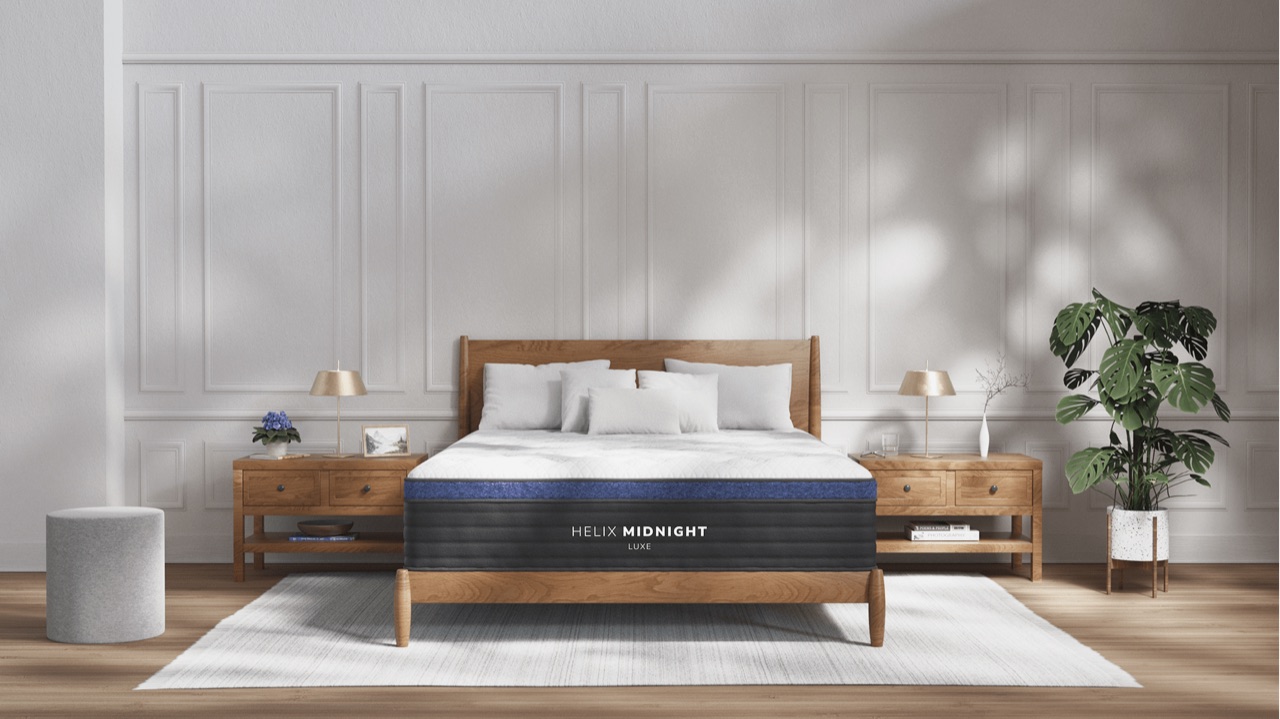
| Helix Midnight Luxe | Zoned Pocketed Coil Hybrid | Medium (6/10) | Zoned 8-inch pocketed steel coils | 9.1 | 9.2 | 100 nights / 15-year |
| WinkBeds Plus | Heavy-Duty Triple-Layer Coil Hybrid | Firm (7.5/10) | 7.5-inch zoned steel coils + latex lumbar zone | 9.7 | 9.4 | 120 nights / Lifetime |
In an era saturated with all-foam mattresses rolled into cardboard boxes, the classic steel innerspring remains an unmatched engineering standard for airflow, pushback, and perimeter integrity. Unlike uniform slabs of polyurethane that store thermal energy, innerspring structures operate like natural bellows, circulating air between coil columns with every toss and turn. Models like the Saatva Classic and the handcrafted WinkBeds have modernized traditional open-coil architecture by adding individually wrapped pocket coils, organic cover fabrics, and high-tensile edge perimeters.
Selecting the right spring system requires matching coil mechanics to your physical build and preferred sleep posture. If your current bed is sagging or causing lower-back stiffness upon waking, reviewing how often should you replace your mattress is your first step. Furthermore, modern spring beds have strict foundation requirements; placing heavy steel coils on improper bases can void your warranty, making our breakdown of slats, platform beds, box springs & adjustable bases essential reading before you place an order.
Innerspring Engineering: Understanding Coil Types and Gauges
Not all steel spring beds are built the same. The internal assembly dictates how the bed responds to pinpoint pressure, how well it isolates a restless partner, and how many years it will resist middle sagging.
* Open Coils (Bonnell and Continuous Wire): These consist of interconnected hourglass-shaped steel springs tied together by helical wires. While they are cheap to manufacture and exceptionally resilient, every movement on one side of the bed reverberates across the surface. They offer maximum airflow but minimal localized contouring.
* Individually Pocketed Coils (Marshall Coils): Fabric-encased barrels that compress independently under load. By decoupling the springs, manufacturers isolate kinetic energy while preserving active bounce. This allows side sleepers to compress hip and shoulder zones without distorting lumbar support.
* Dual-Coil Configurations: High-end models employ a dual-layer strategy. A base of tempered, low-gauge steel coils establishes an unyielding support platform, while an upper tier of smaller micro-coils responds dynamically to micro-movements of your spine.
Coil gauge is the objective metric of wire thickness. Counterintuitively, a lower gauge indicates a thicker, stiffer steel wire. A 13-gauge coil offers rigid, firm support capable of sustaining significant loads. A 15- or 16-gauge coil is thinner, providing responsive, pressure-relieving yield. The best beds utilize zoned gauge placement, inserting heavier 13.5-gauge springs under the hips and lighter 15-gauge coils under the shoulder girdle.

Laboratory Testing: What Our Empirical Metrics Reveal
Our testing facility examines spring mattresses using digital surface pressure pads, thermal imaging sensors, and cyclical load rollers. Here is what separates exceptional innersprings from cut-rate copies:
1. Airflow and Surface Temperature Stabilization
Foam is naturally insulating, whereas an innerspring core is roughly 80% open air. We track surface skin temperature over an eight-hour automated session using a calibrated thermal imaging camera. While dense memory foam units frequently trap heat above 92°F, dual-coil models stay below 87°F. The continuous convective currents inside the coil core exhaust body heat horizontally through breathable cotton or woven side gussets.
2. Perimeter Structural Integrity
Weak edges ruin a mattress's usable surface area and make sitting on the border feel precarious. We test perimeter deflection by applying 150 pounds of static weight at the direct edge, measuring structural compression in inches. While foam-rail encasements often degrade and buckle over years of use, models utilizing perimeter-dedicated 13-gauge steel coils compress less than 1.6 inches. This mechanical stability ensures you never feel as though you are rolling off the bed.
3. Pushback Velocity and Spinal Neutrality
For back and combination sleepers, a mattress must provide active upward thrust (elastic force) to prevent the pelvis from rotating the lumbar spine out of alignment. Memory foam reacts slowly; steel springs respond instantaneously. In our pressure map tests, pocketed innersprings consistently keep lumbar peak pressure beneath 28 mmHg, safely below the capillary closure threshold.
Top Lab-Tested Innerspring Performers
When evaluating high-performance spring mattresses, subtle design variations suit distinct sleeper categories:
* Saatva Classic (Best Overall Innerspring): Built with a dual-spring architecture, this bed houses an unyielding 13-gauge tempered support base beneath an upper layer of 14.5-gauge pocketed coils. Topped with a dense, tufted organic cotton Euro pillow top, it earned our top mark (9.8/10) for spine alignment and perimeter firmness across back and stomach sleepers.
* WinkBeds (Best Pillow-Top Innerspring): Featuring a multi-zoned pocket coil core reinforced with LumbarLayer technology, the WinkBeds design excels at minimizing motion transfer while offering cloud-like initial pressure relief. It is particularly effective for back sleepers who require zoned support beneath the lumbar region.
* Helix Midnight Luxe (Best Innerspring Hybrid for Side Sleepers): For dedicated side sleepers who demand the bounce and cooling of coils without shoulder pain, the Midnight Luxe uses zoned pocketed springs that yield under high-pressure joints while lifting the hips into neutral alignment.
* WinkBeds Plus (Best for Heavy Sleepers): Engineered explicitly for individuals over 250 pounds, the Plus model substitutes softer transitional foams with high-density open-cell latex and uses an ultra-durable 7.5-inch zoned coil perimeter to prevent bottoming out.
Foundation, Setup, and Care Considerations
Because true innerspring units and substantial pillow tops feature hefty steel assemblies, they present unique operational demands. Most premium spring beds weigh between 100 and 145 pounds in Queen size, requiring deliberate care:
* Foundation Verification: Placing an innerspring on wide-spaced slats (more than 3 inches apart) allows coils to slip between gaps, creating uneven compression. Review how to read a mattress warranty to avoid accidental voiding of your coverage through improper foundation support.
* Sheet Depth Needs: Due to thick coil assemblies and plush Euro toppers, many innerspring beds stand 13 to 16 inches tall. Standard fitted sheets will pop off the corners; verify your bedding dimensions using our deep-pocket fitted sheets guide.
* Rotation Schedules: Modern pillow-top innersprings are single-sided and should not be flipped. However, rotating them head-to-foot every three to six months evenly distributes body weight across the spring rows. Follow our mattress rotation schedule to maximize structural life.
* Trial Durations and Delivery: High-end innerspring models frequently arrive flat via white-glove delivery rather than compressed in plastic. Check the terms outlined in our guide to mattress sleep trials and return fees to confirm whether your trial includes free removal.
Innerspring vs. Foam: Making the Final Choice
If you prefer deep sinkage and a motionless sleep surface, an all-foam bed remains an option. However, if you prioritize temperature regulation, ease of repositioning, edge durability, and classic support, a pocketed or dual-coil innerspring is superior. Many shoppers wonder about cost differences when weighing bed-in-a-box vs. showroom mattresses or assessing whether you can buy a great mattress under $1,000. While budget innersprings exist, investing in high-grade tempered steel coils consistently pays dividends in sleep health and structural longevity.
Frequently Asked Questions
Do modern innerspring mattresses still squeak?
No. The notorious squeaks associated with traditional beds were caused by open Bonnell coils rubbing against one another or against wooden box springs. Modern innerspring models enclose every spring in individual fabric pockets, eliminating metal-on-metal friction and silencing mechanical noise entirely.
Can I use an adjustable base with an innerspring mattress?
It depends on the coil architecture. Individually pocketed coils are flexible and bend easily with adjustable bases. However, dual-coil mattresses containing rigid, interconnected Bonnell base units (such as the Saatva Classic) can only tolerate mild articulation or must be ordered in specific compatible configurations. Always review manufacturer foundation guidelines before pairing with an adjustable frame.
How long should a quality innerspring mattress last?
A well-constructed innerspring mattress featuring tempered steel coils and high-density upholstery layers will reliably last between 8 and 10 years. Because steel retains structural tension far longer than polyurethane foam maintains its cellular density, high-gauge innersprings are less prone to catastrophic body impressions over extended use.

Jessica Moore, Certified Sleep Science Coach
Jessica has spent 8+ years analyzing biomechanics, pressure relief mapping, and mattress ergonomics. She leads our independent sleep lab in Austin, TX, overseeing thermal, motion, and durability testing.