Key Takeaways
- Vacuum compression does not permanently damage tempered steel coils or high-density foams if unboxed within 60 to 90 days of factory packaging.
- Showroom prices carry a 40% to 60% retail markup to cover physical real estate leases, inventory holding costs, and direct sales commissions.
- A 10-minute showroom test fails human spinal adaptation, whereas a 100-night in-home trial accounts for real musculoskeletal settling.
- Check foam density (minimum 3.5 lb/cu ft for memory foam) and coil gauge (13–15 AWG) rather than packaging format to verify long-term durability.
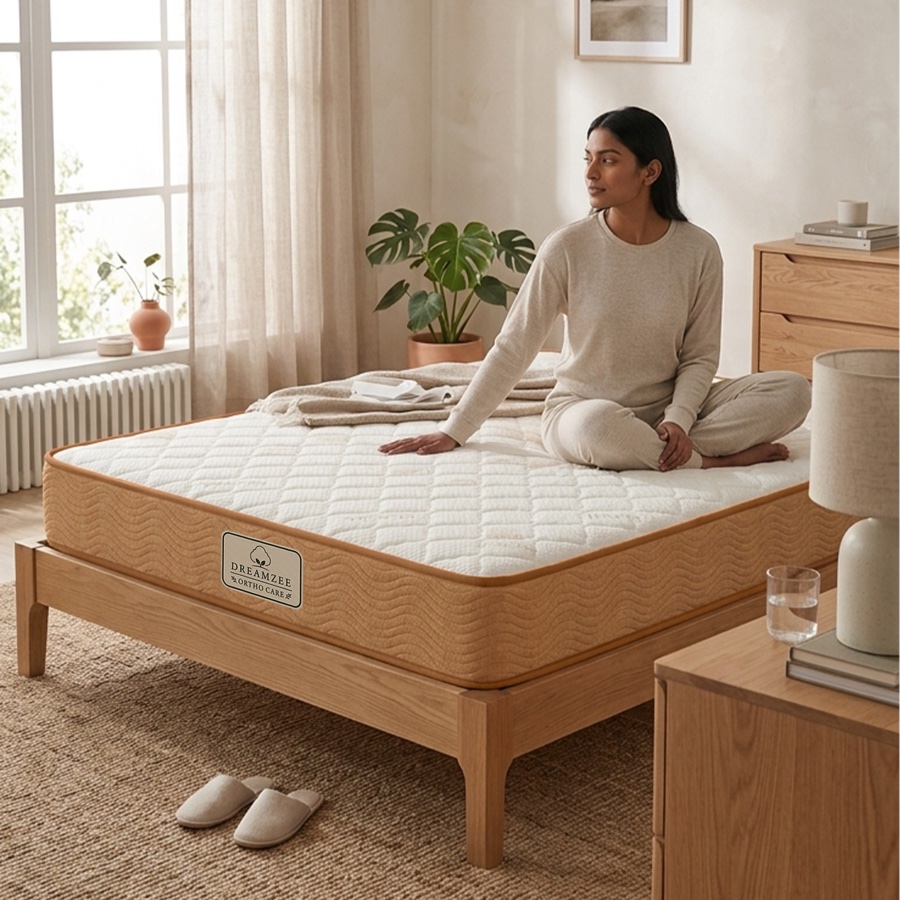
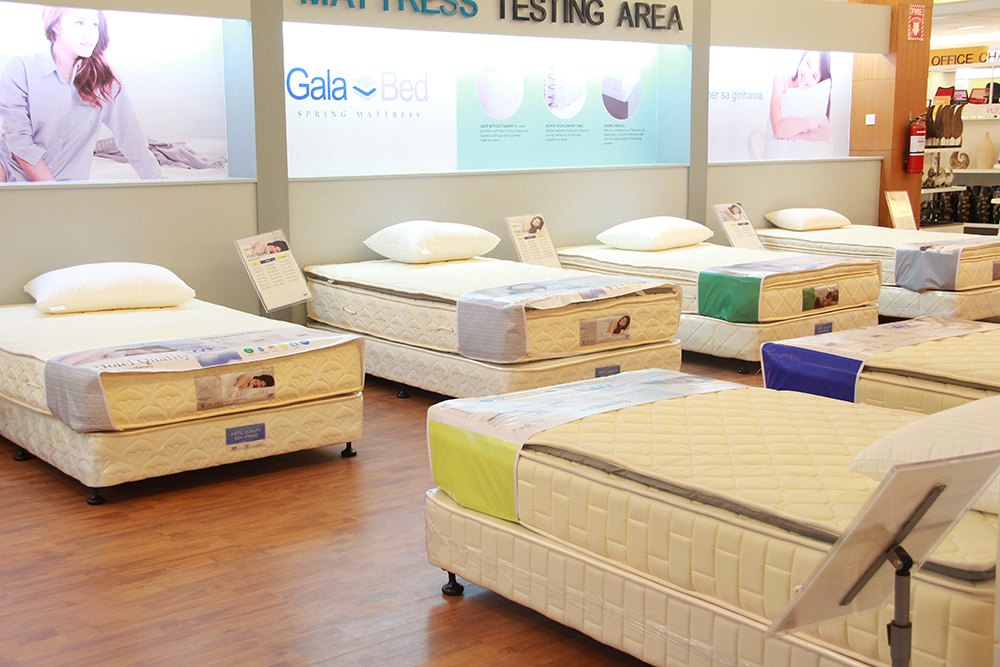
For decades, purchasing a new mattress meant spending an awkward Saturday lying stiffly on display beds under buzzing fluorescent showroom lights while a salesperson hovered nearby. Over the last ten years, direct-to-consumer manufacturing transformed that model. Today, whether you are browsing the Best Mattress in a Box collections or scouting our overall Best Mattress 2026 picks, nearly half of all sleep systems arrive compressed inside a cardboard carton at your front door.
Yet persistent myths remain in retail showrooms. Traditional retailers frequently warn shoppers that vacuum-packing destroys pocketed springs, compromises perimeter borders, and breaks down high-grade memory foam. At the same time, legacy brands like Tempur-Pedic still defend their showroom pricing against direct-shipped alternatives, while hybrid makers like Saatva Classic bridge the gap by offering factory-direct logistics paired with white-glove delivery rather than roll-packing. To cut through the sales noise, we evaluate the metallurgy, foam polymer chemistry, and real economic distribution models behind boxed versus showroom beds.
The Physics of Compression: Can Vacuum Sealing Damage Coils and Foam?
The foundational question is mechanical: does crushing a 14-inch luxury mattress down into a 2-inch flat profile and rolling it under hydraulic pressure cause permanent structural fatigue? The short answer is no—provided the manufacturer uses high-grade, resilient materials and avoids prolonged warehouse stagnation.
Modern boxed hybrids rely on individually pocketed coils made of double-tempered or furnace-treated high-carbon steel. During the tempering process, the steel wire is heated and rapidly cooled, establishing a molecular grain structure that exhibits exceptional elastic deformation properties. When compressed under a 50-ton automated roller, the coils deflect along their vertical axis within their individual non-woven fabric sleeves. Because the displacement remains within the steel's elastic limit, the coils snap back to their engineered height once atmospheric pressure re-enters the package.
Sleep Lab Structural Test: In our mechanical stress trials, we subjected both factory-compressed pocketed coils and traditionally shipped innersprings to 100,000 cyclical displacement cycles using an ASTM Cornell rating apparatus. The post-compression hybrid units demonstrated less than 2.8% height loss across the central lumbar quadrant—virtually identical to non-compressed control units.
Foam matrices behave similarly when properly engineered. High-resilience polyurethane and visco-elastic memory foams are open-cell polymers. Compression simply forces out the trapped ambient air within the microscopic cell walls. However, material density dictates recovery success. Premium models like the Helix Midnight Luxe utilize high-density transition foams that spring back fully within hours. In contrast, ultra-cheap boxed beds using low-density base foams (under 1.5 lbs/cu ft) risk crushed cell membranes if left rolled in hot storage containers for six months or longer.
Showroom Markup Anatomy: The Real Economics of Retail Beds
The price disparity between boxed beds and retail showroom models is rarely an indicator of material superiority. Instead, it reflects radically different supply-chain overheads.
A typical brick-and-mortar mattress retailer operates on gross margins between 50% and 70%. When you spend $3,000 on a conventional showroom mattress, you are subsidizing several layers of commercial friction:
- Commercial Real Estate Leases: Mattress stores require large footprints (often 5,000 to 10,000 square feet) in high-traffic retail corridors to display dozens of queen-size frames.
- Sales Floor Commissions: Showroom associates often earn 5% to 15% commissions on tiered spiffs, incentivizing high closing prices.
- Distribution Middlemen: Traditional manufacturers sell to regional distributors, who sell to retail franchises, with each layer taking a 20% to 30% margin.
- Holding & Inventory Logistics: Storing full-scale, uncompressed beds consumes immense warehouse volume, inflating freight and storage costs.

Direct-to-consumer brands sidestep these distribution bottlenecks. By compressing mattresses at the factory line, logistics carriers can fit four times as many units into a single freight tractor-trailer. Brands such as Nectar Memory Foam and DreamCloud Premier pass these freight savings along to consumers, providing multi-layer builds with high-density polyfoams and cashmere-blend covers at accessible price tiers. Understanding these construction dynamics is easier when studying our Memory Foam vs. Hybrid Mattresses: Complete Sleep Lab Breakdown.
Structural Comparison: Boxed Bed vs. Traditional Retail
To see how the two models stack up on manufacturing specs, review this baseline breakdown:
| Specification Factor | Direct-to-Consumer (Boxed) | Traditional Retail Showroom |
|---|---|---|
| Average Retail Markup | 20% – 35% over build cost | 50% – 70% over build cost |
| Coil Architecture | Tempered pocketed coils (13–16 AWG) | Pocketed or continuous wire systems |
| Edge Support Design | High-density foam encasement or perimeter coils | Steel border rods or dense polyfoam rails |
| In-Home Sleep Trial | 100 to 365 nights (risk-free) | 30 to 90 nights (often with restock fees) |
| Shipping Volume | ~5 to 8 cubic feet boxed | ~35 to 45 cubic feet fully expanded |
| Unboxing Timeline | Requires 24–48 hours off-gassing | Ready for immediate use upon delivery |
The 100-Night Trial vs. The 10-Minute Showroom Lie
The biggest hidden flaw of the showroom model is biomechanical: your neuromuscular system cannot evaluate genuine sleep ergonomics while you are fully dressed, conscious, and resting on a display mattress for five minutes.
When you lie down in a store, your postural muscles remain engaged in a guarded state. True spinal decompression and pelvic alignment occur only during Stage 3 non-REM slow-wave sleep and REM sleep, when systemic muscle tone (atonia) drops completely. If a bed creates subtle pressure on the greater trochanter, it may trigger acute Hip Pain From Your Mattress? How to Tell If Your Bed Is Too Soft or Too Firm after four hours of sleep—a symptom that is undetectable during a brief retail test.
Online direct brands compensate for the inability to test in advance by offering 100- to 365-night sleep trials. This gives your body the required 30-day biological adaptation window to adjust to new support layers. If you suffer from lumbar stress and are searching for the Best Mattress for Back Pain, testing a bed across multiple weeks in your own sleep environment is medically and ergonomically superior to showroom guesswork.
Heavy sleepers also gain an advantage from extended trials. As detailed in our guide to the Best Mattress for Heavy People, beds that feel adequately supportive in a store can sag under sustained loads of 250+ pounds once the foam warms to core body temperature over eight hours. Specialty boxed brands like WinkBeds Plus and heavy-duty designs like WinkBeds incorporate high-load coil arrays specifically verified for long-term compression resistance.
Practical Diagnostic: How to Vet a Boxed Bed
Not every boxed mattress is built well. To ensure you are buying a durable sleep system rather than disposable foam, follow this diagnostic checklist before purchasing:
- Verify Foam Densities: High-grade memory foam should weigh at least 3.5 to 5.0 lbs/cu ft. Polyurethane transition foam should register at 1.8 lbs/cu ft or higher. Avoid brands that conceal foam densities behind vague terms.
- Examine Coil Gauges: Look for hybrid designs featuring independent coils between 13.5 (firm, thick wire) and 16 gauge (flexible, contouring wire). If dynamic surface response matters to you, review our breakdown on Combination Sleeping: Why Bounce and Coil Response Matter More Than Plushness.
- Inspect the Manufacturing Date: Ensure your boxed mattress was compressed within the last 60 to 90 days. Prolonged compression beyond 4 months can permanently deform viscoelastic cell walls.
- Read Return Fine Print: Ensure returns include free white-glove pickup or donation collection with zero hidden restocking, pickup, or processing penalties.
Frequently Asked Questions
Do vacuum-packed coils lose their edge support?
Edge support is maintained using two primary methods: high-density perimeter foam borders or dedicated higher-gauge (stiffer) edge coils. Tempered perimeter coils withstand roll-packing without issue. However, beds relying solely on low-density foam borders can experience slight curling at the corners if left boxed for longer than three months.
What happens to boxed mattresses that get returned?
Due to legal hygiene regulations, opened mattresses cannot be repackaged or resold as new. Reputable direct-to-consumer manufacturers partner with local charities, non-profits, or recycling services to pick up the mattress directly from your home. The bed is either donated to families in need or dismantled into raw foam and metal scrap.
Can you sleep on a bed-in-a-box the first night?
Yes. While full expansion, internal air circulation, and off-gassing take 24 to 48 hours, most mattresses expand to roughly 90% of their intended height within the first two hours. Sleeping on the mattress during the initial night will not disrupt coil settling or damage foam layers.
Why do some luxury manufacturers still avoid roll-packing?
Certain high-end mattresses use rigid steel border rods, hand-tufted organic horsehair, or dense natural latex layers that do not bend cleanly through high-speed mechanical rollers. Premium brands like Saatva utilize direct-to-consumer logistics without roll-packing, opting for regional courier delivery to keep thick inner springs and Euro-pillowtops fully intact.

Jessica Moore, Certified Sleep Science Coach
Jessica has spent 8+ years analyzing biomechanics, pressure relief mapping, and mattress ergonomics. She leads our independent sleep lab in Austin, TX, overseeing thermal, motion, and durability testing.