Key Takeaways
- Pillow-tops feature a visible gap created by a separate gusset, yielding deep initial contouring but higher susceptibility to edge roll-off.
- Euro-tops sew the comfort package flush beneath the perimeter casing, improving edge containment and structural lifespan.
- Sagging risk correlates to foam density, but pillow-top gussets accelerate visible dipping when soft comfort layers shift laterally.
- Side sleepers benefit from pillow-top sinkage, while combination and heavier sleepers typically require the firmer perimeter restraint of a Euro-top.
Walk into any bedding showroom or browse the Best Pillow Top Mattress selections online, and you will notice that premium beds rarely feature a plain, flat surface. Instead, they present thick, sculpted upper tiers designed to deliver plush surface compliance before your body reaches the firmer support core. Understanding the distinction between these designs is just as critical as analyzing Memory Foam vs. Hybrid Mattresses: Complete Sleep Lab Breakdown.
While retailers frequently market pillow-top and Euro-top labels interchangeably, their internal tailoring, shear-force handling, and perimeter wear profiles are distinctly different. High-end builds like the Saatva Classic rely on tailored Euro-top designs, whereas models like the WinkBeds incorporate specialized Euro-pillow constructions to balance surface give with perimeter resilience. To protect your investment and avoid premature body impressions, you must look at how the needlework, fabric tension, and padding layers interface.
Anatomical Engineering: Gusseted Pillow-Top vs. Flush Euro-Top
The fundamental difference between these two mattress styles lies in how the top comfort tier attaches to the structural body of the mattress.
A traditional pillow-top is constructed by sewing an independent cushion directly onto the upper deck of the mattress casing. This creates a distinct indentation, valley, or fabric gusset along the entire perimeter. Because this layer floats atop the structural tape-edge, the comfort foams inside have room to expand outward when loaded. You sink into a pillow-top with minimal lateral fabric resistance, creating an airy, cloud-like sensation often described as sleeping in the surface rather than on it.
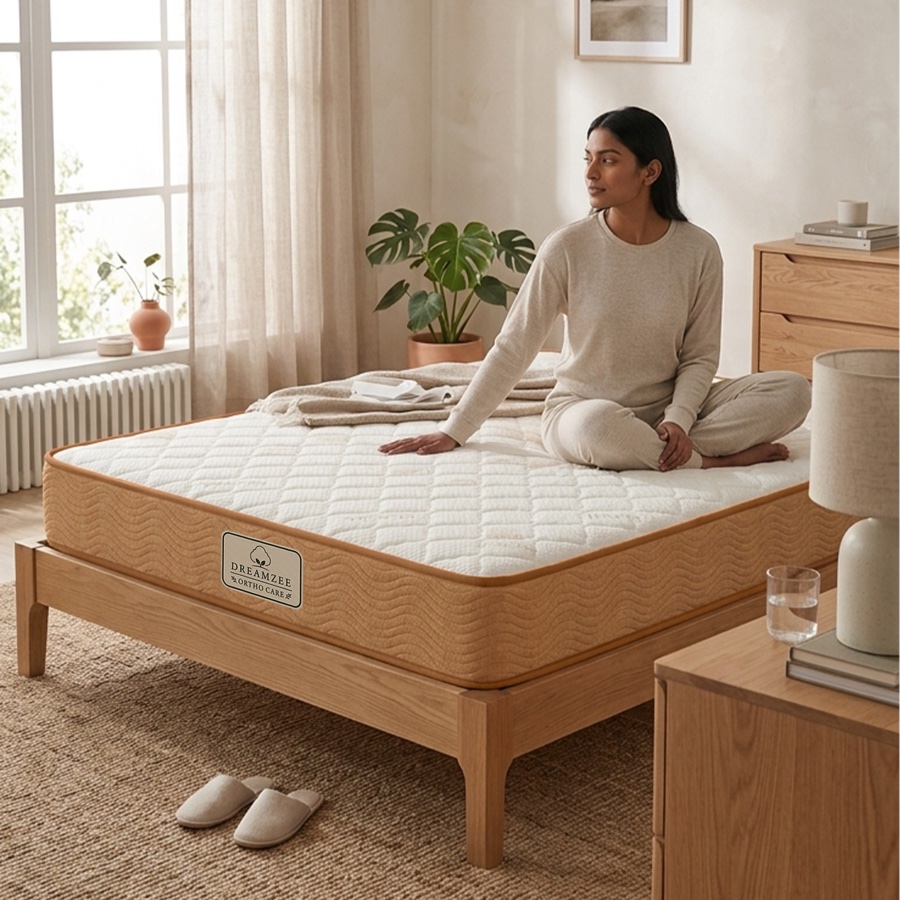
A Euro-top, by contrast, integrates its additional cushioning flush against the side panels of the mattress. The comfort materials—such as high-density polyfoam, latex, or micro-coils—are tucked beneath the primary outer fabric ticking and secured by a unified perimeter seam. In models like the Helix Midnight Luxe, this seamless integration keeps the perimeter taut. The comfort materials cannot spill over or shift outward under load because the uniform casing holds the package in place, producing a flatter, cleaner profile and a more supportive surface feel.
Edge Stability and Perimeter Roll-Off Lab Data
Where the difference between these builds becomes immediately noticeable in daily use is edge support. Because a traditional pillow-top rests on top of the structural perimeter, the comfort layer itself rarely features dedicated coil or high-density foam reinforcement around its outer boundary.
When you sit on the edge of a traditional gusseted pillow-top, the top cushion compresses fully and pushes outward over the lower tape-edge. This creates a sloped perimeter that can lead to feeling like you might roll off when sleeping close to the side. Poor perimeter support also changes your spinal posture if you migrate toward the perimeter during the night, which can directly cause Neck Stiffness in the Morning: Mattress Edge, Pillow Loft & Spinal Alignment.
Euro-top mattresses mitigate this issue through tensioned perimeter flanging. Because the top cover extends cleanly down into the side walls, the top cushion is constrained by the same structural perimeter that encases the internal spring unit. On builds like the DreamCloud Premier, this unified tailoring prevents the top comfort layers from collapsing laterally when you sit to put on shoes or sleep near the border.
From the Tested Mattress Lab: When evaluating edge deflection using a standardized 150-pound cylindrical mass placed four inches from the edge, traditional gusseted pillow-tops averaged 3.8 inches of vertical dip, with observable lateral foam bulge. Euro-top builds averaged 2.7 inches of deflection across the same foam densities, demonstrating superior perimeter tension.

Durability & Sagging Mechanics: Why Stitching Dictates Longevity
Premature sagging is the number-one complaint consumers lodge against luxury mattresses. However, what many sleepers identify as a broken internal spring is actually "quilting fatigue" or foam displacement within the upper plush layers.
Traditional pillow-tops are mechanically vulnerable to foam migration. Because the gusset permits three-dimensional flex, standard body movements slowly force lower-density foams toward the unoccupied center and outer borders of the mattress. Over 18 to 36 months, this displacement creates visible "troughs" beneath the torso and hips. If you are shopping for the Best Mattress for Heavy People, an unreinforced, loose-gusset pillow-top presents an elevated risk of premature dipping.
To counter this, heavy-duty hybrid designs like the WinkBeds Plus utilize dense Euro-top configurations. By anchoring the top layers beneath continuous, taut quilting, Euro-tops resist lateral foam travel. While any low-density polyfoam will eventually soften, a Euro-top preserves its geometry longer because internal friction and perimeter tension work together. If you already suspect your bed is bottoming out, diagnosing Hip Pain From Your Mattress? How to Tell If Your Bed Is Too Soft or Too Firm can confirm whether your comfort package has compressed past its useful lifespan.
Direct Comparison: Pillow-Top vs. Euro-Top Matrix
| Feature | Traditional Pillow-Top | Tailored Euro-Top |
|---|---|---|
| Stitching Style | Independent cushion with visible perimeter gap/gusset | Flush-sewn beneath the primary side casing |
| Surface Feel | Deep initial sink, cloud-like compliance | Buoyant plushness with gentle pushback |
| Perimeter Containment | Moderate to low; foam compresses laterally | High; casing reinforces edge boundaries |
| Foam Migration Risk | Elevated due to outward gusset flex | Lower; unified ticking resists shifting |
| Motion Dampening | Exceptional surface-level vibration absorption | Very good; slightly higher surface tension |
| Best Sleep Positions | Strict side sleepers seeking zero pressure on shoulders | Side, back, and active combination sleepers |
How to Choose Based on Sleep Position and Body Profile
Selecting between these styles requires matching your sleep mechanics and weight profile to the surface dynamics of each construction.
1. Opt for a Pillow-Top If:
* You are a dedicated side sleeper struggling with joint compression. The unrestrained gusset allows deeper shoulder immersion, which helps avoid Side Sleepers & Shoulder Numbness: How Cushion Depth Affects Arm Circulation.
* You weigh under 150 pounds and struggle to sink into standard beds. Lighter bodies benefit from the loose fabric tension of an external pillow layer.
* You want maximum surface-level motion isolation without upgrading to an all-foam mattress.
2. Opt for a Euro-Top If:
* You suffer from lower back vulnerability. Searching for the Best Mattress for Back Pain usually leads to Euro-top hybrids because their flush surface maintains lumbar alignment instead of letting the pelvis sink out of plane.
* You are an active combination sleeper. The tighter surface cover allows you to pivot and change sleeping positions without feeling trapped in an indentation.
* You sleep along the perimeter or share a Queen-size bed with a partner, where reliable edge-to-edge usable surface area is essential.
Frequently Asked Questions
Can you flip a pillow-top or Euro-top mattress?
No. The vast majority of both pillow-top and Euro-top mattresses are single-sided designs built on a rigid base foam or pocketed coil unit. Flipping the mattress places the delicate comfort package directly against the bed frame, damaging the stitching. You should, however, rotate either build 180 degrees every three to six months to even out body impressions.
Does a Euro-top sleep cooler than a pillow-top?
Euro-tops generally sleep slightly cooler. Because you sink deeper into the loose gusset of a traditional pillow-top, more mattress fabric envelops your body, trapping ambient heat around your torso. Euro-tops keep your body resting closer to the plane of the mattress, promoting better surface airflow.
Will a deep-pocket fitted sheet fit both styles?
Both designs significantly increase overall mattress profile, usually pushing total thickness between 13 and 16 inches. While standard sheets often pop off the corners, fitted sheets with pockets measuring 16 to 18 inches will secure cleanly around both styles. Euro-tops make sheet fitting slightly easier due to their flat vertical sidewalls.

Jessica Moore, Certified Sleep Science Coach
Jessica has spent 8+ years analyzing biomechanics, pressure relief mapping, and mattress ergonomics. She leads our independent sleep lab in Austin, TX, overseeing thermal, motion, and durability testing.